



(Check out Jessica Baxter’s The Invite movie review, it opens Friday, June 26. Seen it? Join the conversation with HtN on our Letterboxd Page.)
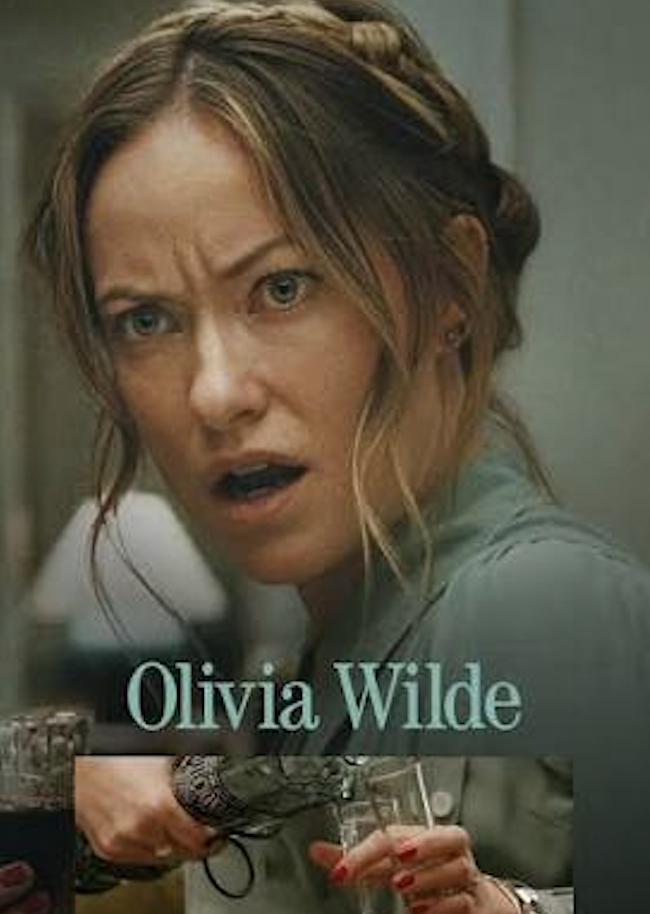
Olivia Wilde levels the fuck up with her third feature, a Mike Nichols riff with a micro cast, one location, and a collaborative approach to storytelling. It started with a Spanish stage play by Cesc Gay, who adapted his work into a film called Sentimentál. Rashida Jones and Will McCormack reworked that film into the first draft of The Invite and pitched it to Wilde. She was excited to direct, but never considered acting in the film until the rest of the cast talked her into it. And thank God they did. At the 2026 Seattle International Film Festival screening, Wilde described a true collaborative workshop where they spent two weeks developing their characters beyond the script, before they even picked up a camera. Then they shot the film in sequence so they could organically shape the story and evolve their characters as they went. This methodology could not possibly work for every film. But it sure as hell works here. The result is a unique, stylish, riveting, truthful film that is easily Wilde’s best work to date.
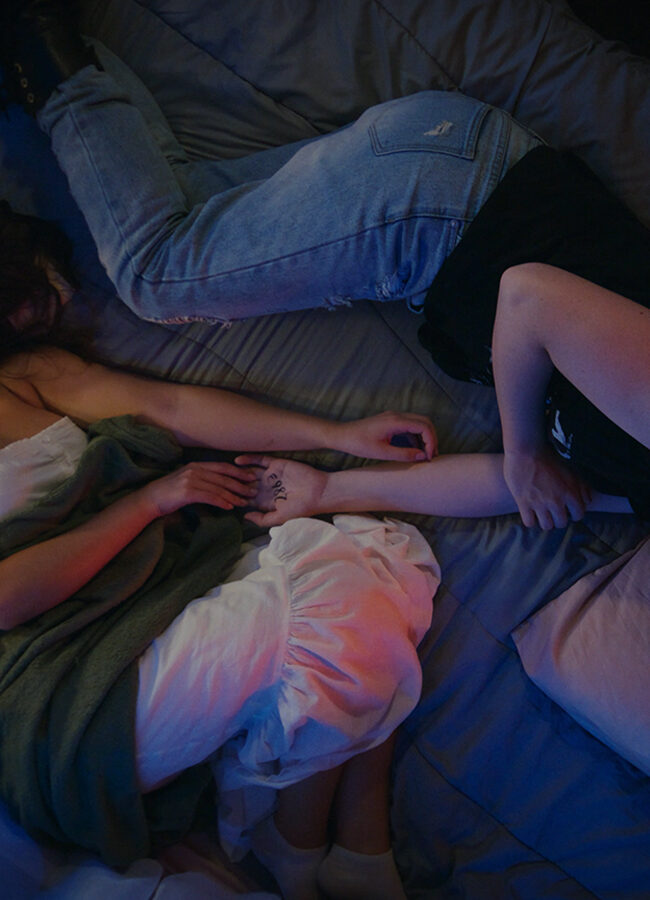
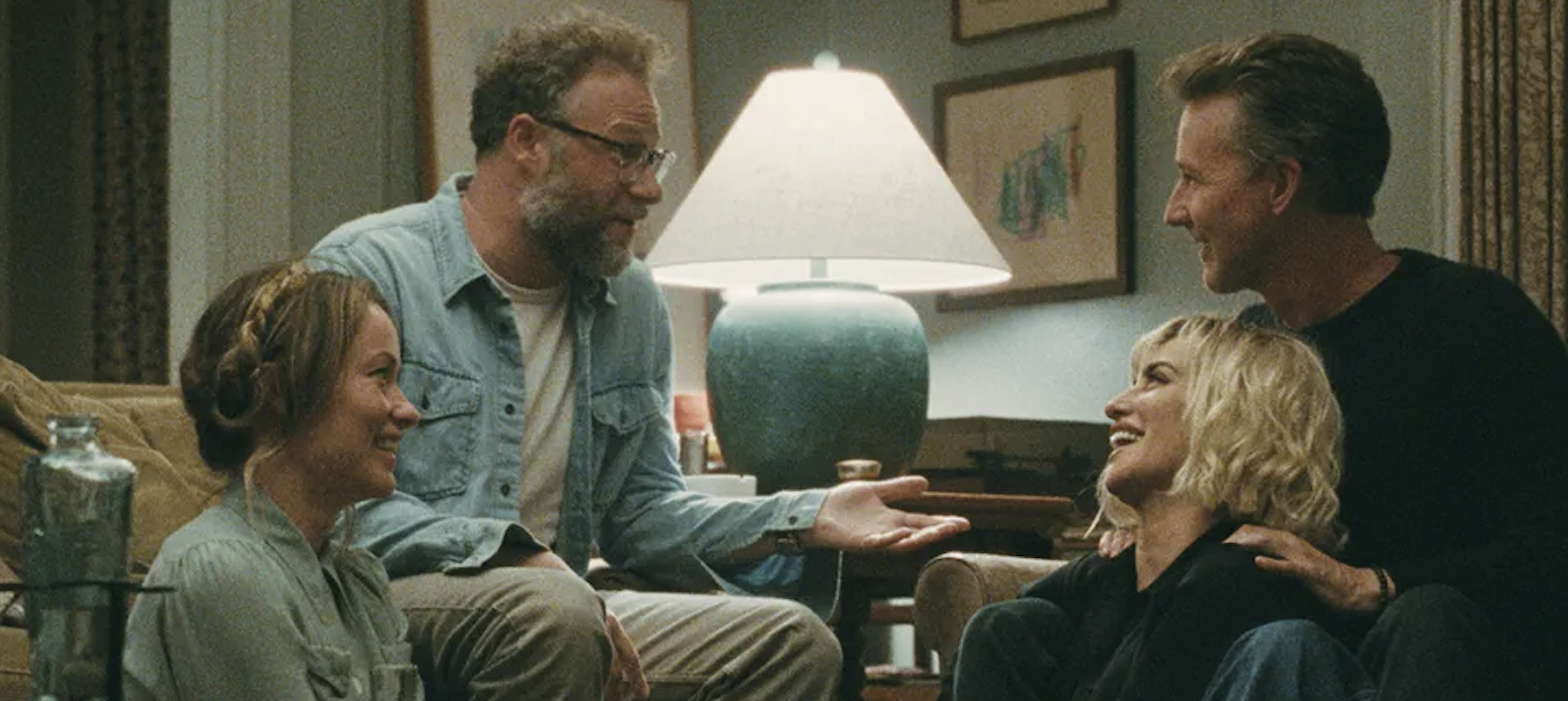
Amidst late-stage marriage troubles, Joe (Seth Rogen) and Angela (Wilde) host a dinner party as a means to broach an uncomfortable conversation with their sexy and mysterious upstairs neighbors, Hawk (Edward Norton) and Pena (Penelope Cruz). Joe hasn’t had a full night’s sleep in some time because of the passionate noises emanating from Hawk and Pena’s place during the wee hours. He enters the evening filled with resentment over his sleep interruption, as well as his decision to lie to his child about the nature of the sounds. Angela feels they don’t have a leg to stand on because she’s been raucously renovating their vintage San Francisco apartment for months. She also harbors a deeper fascination with this couple, who seem to enjoy a sexy, conflict-free life. Joe only sees them as a reminder of what his marriage lacks. With Joe and Angela’s child gone for the night, the quartet are free to follow the vibe of the evening. But as the wine flows, the untouched charcuterie sweats, and the spliffs spark, the conversation becomes increasingly tense and revealing.
We can confidently add Olivia Wilde to the short list of directors who can make an enthralling film out of four people interacting in one apartment. It doesn’t hurt to get four very charismatic actors for the job. But this professional quartet fully embraced the “play” aspect of acting. While the story beats from the original script mostly remain intact, the dialogue was largely improvised by the actors themselves, as they worked together to fully embody and understand their onscreen counterparts. It’s safe to say they also brought a lot of personal pathos into the proceedings. It’s astounding that it works at all, let alone like gangbusters.
The film wisely opens with an unseen Joe and Angela playfully working out a song on a piano together. They’re voices are light and giggly. It’s a stark contrast to the couple we first meet onscreen, shown going through their day apart, and arguing within seconds of sharing a room. They were once smitten the way Hawk and Pena are. But those kids are long gone. They just woke up one day and realized they hadn’t had sex in a year, were nowhere near achieving their dreams, and were incapable of having a contention-free conversation.
Though there is a secret of sorts that propels the third act of the film, it’s merely the match that lights up a room that has been slowly filling with emotional gas. The buildup is mainly derived from the undercurrent of tension as Joe and Angela compare their ailing relationship to the seemingly thriving Hawk and Pena. Angela sees her breezy neighbors as #couplegoals, while Joe sees them as a mockery of everything that he’s lacking in his marriage and career. Joe once had a passion for music. Angela loves interior design. Neither of them feels creatively fulfilled or supported. But instead of asking for what they need, they blame each other one for the oversight. There’s a child in the mix, so they both thought they were doing the right thing by staying the course, not realizing that the thing they were struggling to hold onto had already crumbled.
Even though she’s the director, Wilde doesn’t let her character off easy. She’s not afraid to depict an Angela that is driven by the desperation to appear perfectly in control of everything, from her renovation philosophy (“[it’s] about renovation without change”), to making the “perfect” appetizer spread (without asking about dietary restrictions). Any time something cracks her façade, she smiles broadly to distract from the absolute mortification that leaks out of her eyes. Angela bought into the concept of “fake it until you make it”, never considering what she should do if that strategy simply does not work. In contrast, Joe abhors artifice and has moralized authenticity to his detriment. These are very subtle dynamics, but they cause plenty of overt damage.
There is a lot of dialogue in this movie. But so much of the real communication comes from looks, reactions, and subtext. The characters are static, but the camera is not. Cinematographer Adam Newport-Berra omnisciently explores every inch of the apartment. The camera movement sometimes makes their apartment feel labyrinthian and at other times, a stifling cage. There is dynamic utilization of windows and mirrors, which not only keep the visual language engaging but also tell a deeper story about the things that both connect and alienate people who reside in urban proximity. Together, with Wilde’s direction, the camera tells a story of its own about nostalgia, ruse, and power dynamics in a shared space. The horror-tinged score by Devonté Hynes (aka Blood Orange) is strategically deployed to elevate tension without feeling instructive or overbearing. Diegetic music also plays a large part in the emotional journey of Angela and Joe.
Wilde cites Mike Nichols as a major inspiration for this film. While anyone can namecheck a legendary director, not many can follow through. But with The Invite, the Who’s Afraid of Virginia Woolf parallels are popping off. It’s not just the obvious things like the tension-filled double date, Joe and Angela’s shared disappointment over his academia stagnation, Angela’s bitterness over marital neglect, an absent child (though their own Sonny Jim is flesh and blood), and a frenzied last-minute cleanup when their guests are imminent. As in Nichols’ debut, Wilde deftly wields a complex tonal balance throughout the run time. Nearly every scene lives at the intersection of awkward, sexy, cringy, hilarious, and tragic. Secrets are revealed, and painful feelings emerge that will leave these four people completely changed at the end of the night. It’s nothing earth shattering in the grand scheme of things. No one is a criminal or an alien. Nevertheless, everything that transpires is irrevocable. Angela, Joe, Hawk, and Pena are such well-realized characters, that if it weren’t for their very famous faces, you could easily forget you weren’t straight up spying through your neighbor’s window. This film is an instant classic. Olivia Wilde is the Earth Mother, and you are all flops!
– Jessica Baxter (@TheBaxter)