





(Check out Brandon Wilson’s Soul Patrol movie review, it opens November 6. Seen it? Join the conversation with HtN on our Letterboxd Page.)
If we take care of ourselves and live long enough, some of us just might live long enough to see a Netflix documentary about 2026 and the extraordinary year in film it has been. The ungodly merger of Paramount and Warner Bros., the rollicking success of an “R” rated adaptation of Homer, the arrival of the Gen Z auteur, will all make for compelling subject matter; but there will also have to be time devoted to 2026 as an annus mirabilis for non-fiction filmmaking.
After a successful world premiere at the 2026 Sundance Film Festival in January, documentarian J.M. Harper’s Soul Patrol is arriving in theaters to take its place among the year’s best documentary offerings. The director was awarded the U.S. Documentary Directing Award for his sophomore effort (his feature directorial debut, As We Speak, premiered at the 2024 Sundance Film Festival).
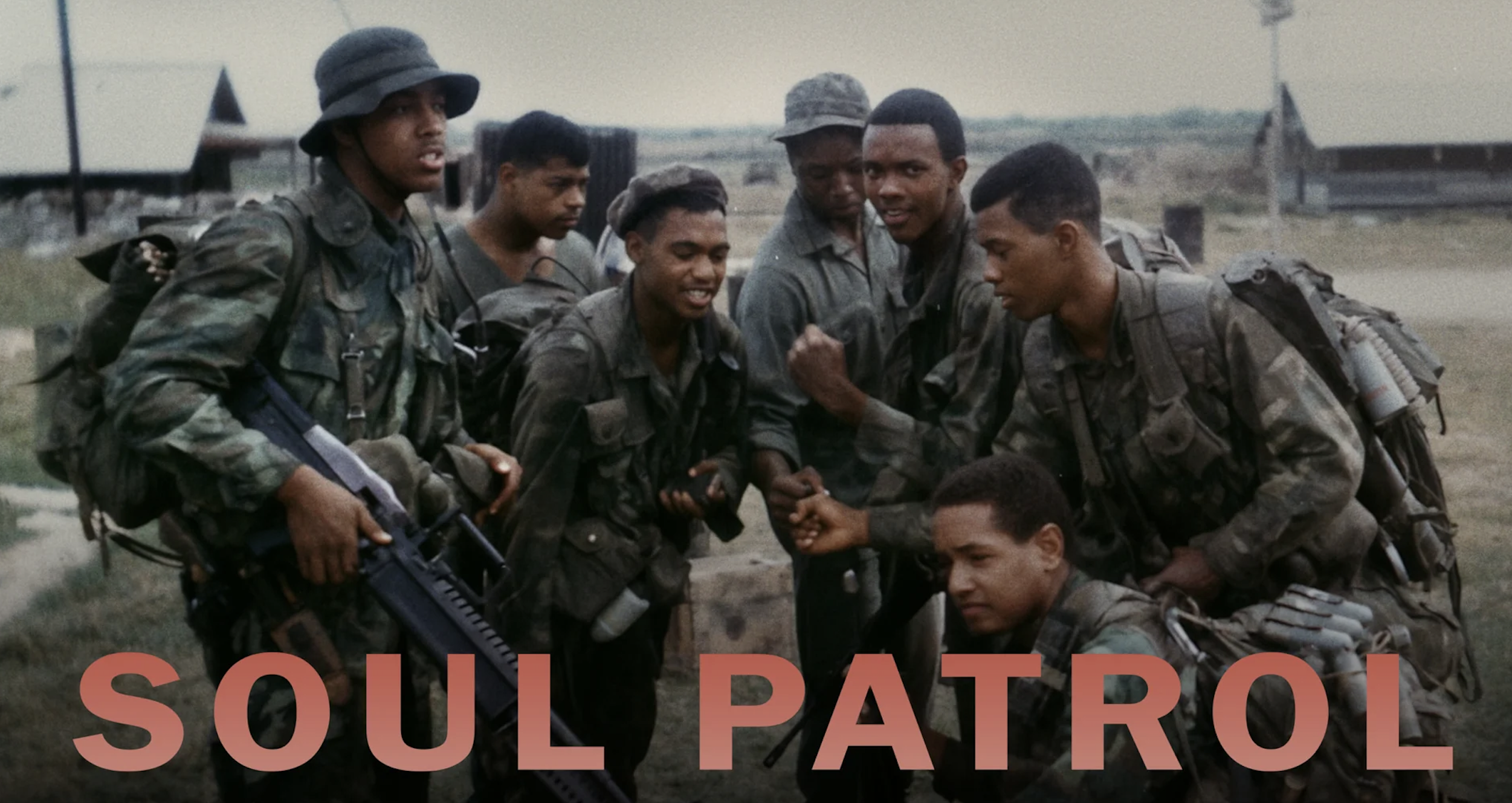
There’s no mystery as to why Harper’s storytelling was recognized. Inspired by a Vietnam war memoir written by Ed Emanuel with the same title as the film, Soul Patrol tells the story of a cohort of Black American Vietnam veterans gathering for one final reunion. These men were Army Rangers and fought in long-range reconnaissance patrol (LLRP) units, a particularly demanding detail that required small heavily armed groups of 5 or 6 soldiers to patrol enemy-held territory on foot. In the late 1960s as the war escalated, Emanuel found himself in an all-Black LLRP, which was such a rarity that they were dubbed “Soul Patrol” (much to Emanuel’s displeasure as he found the moniker patronizing and demeaning).
Because of the unique set of circumstances that go into being a Black male Baby Boomer, each of these men has a fascinating origin story, and all grapple with the big question: why are they fighting for a country that doesn’t love them when the real battle they should be fighting is back home? Director Harper expertly uses archival news footage, songs from the period, 8mm footage shot by the subjects in their youth, and the contemporary words of the survivors to create an engrossing portrait of this explosive time.
The boldest tactic on the part of the filmmaker by far is to touch what for many remains the third rail of documentary filmmaking: re-enactment scenes. But rather than just recreating battles and near death experiences (which is very effective), the actors are utilized to make a visual metaphor for the way Emanuel finds himself haunted by the ghosts of his past. It beautifully supports the men being interviewed (both individually and in round table conversation with each other), many of whom tell harrowing stories of what life was like coping with PTSD after the war.
Inevitably, the film will draw comparisons to Spike Lee’s Da 5 Bloods, and the films complement one another. Lee weaves documentary storytelling into his film, but ultimately it gives itself over to genre action. Harper’s film doesn’t offer us any of that. But the final act of Soul Patrol, which involves the veterans saying goodbye to some of their comrades who attended the reunion earlier in the film, is far more powerful. The LLRP veterans are dwindling in numbers, but thanks to Harper’s film, their stories will endure.
– Brandon D. Wilson (@GeniusBastard)