





(The Toronto International Film Festival (or TIFF) runs September 10-20 and HtN has boots on the ground covering all the best indie films they have to offer. Check out Chris Reeds’s The Smell of Apples movie review from the fest! Seen it? Join the conversation with HtN on our Letterboxd Page.)
No matter what the attitude of the current U.S. President towards South Africa’s Afrikaner population might be, with his historically blind claims that they are somehow the victims of discrimination from the country’s Black majority, it is an indisputable fact that apartheid—South Africa’s official doctrine from 1948 to 1994—was a racist, white-supremacist system of oppression that made life miserable for those living under its ugly framework. In The Smell of Apples, director John Trengrove’s adaptation of novelist Mark Behr’s eponymous 1993 book, we see the corruption from within, our guide an 11-year-old boy who journeys from blind acceptance to dawning horror. The film delivers stunning visuals and great performances in a sharp dissection of the festering disease in the heart of all tyrants.
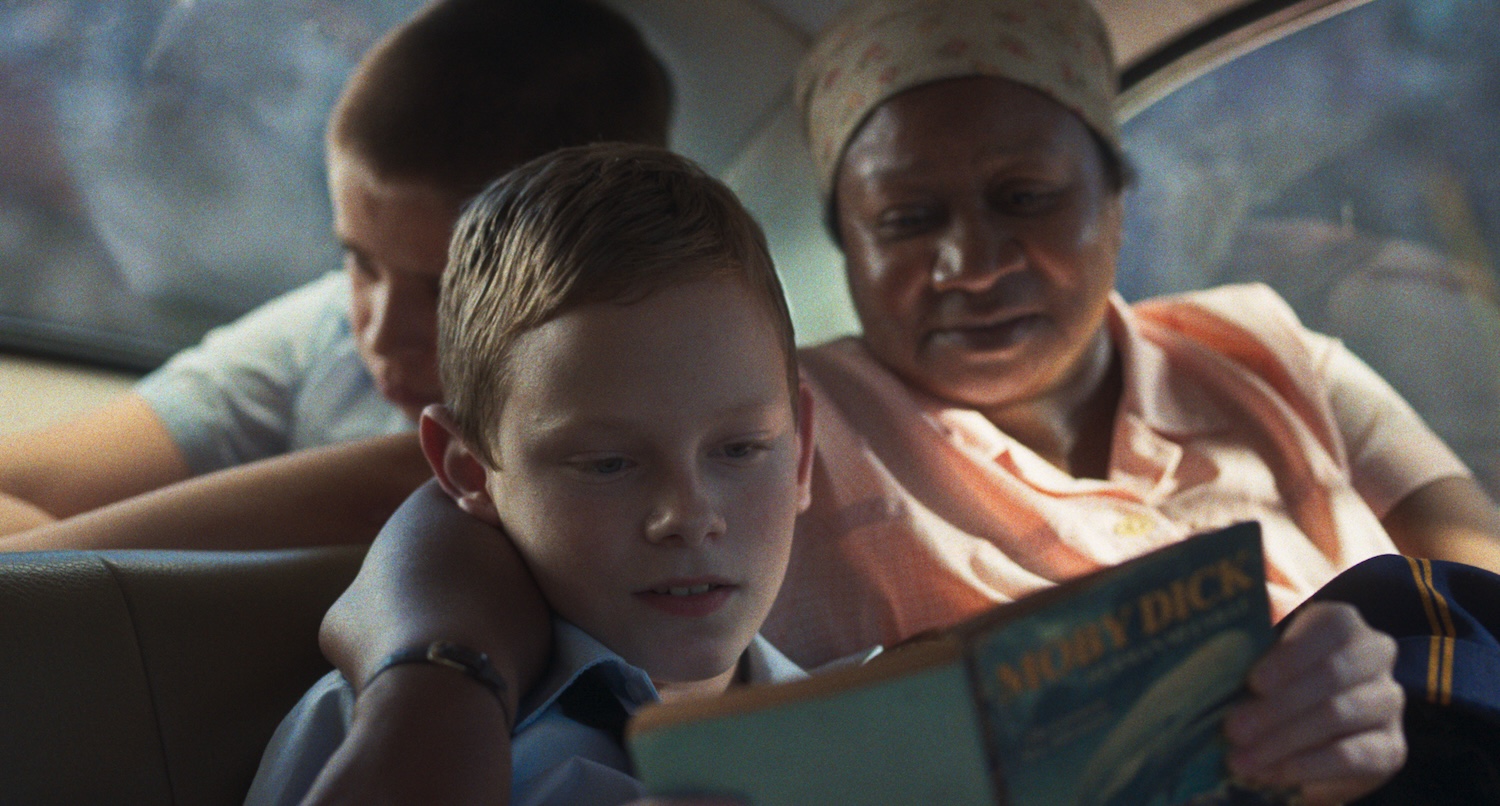
It’s 1974 in Cape Town and Marnus (a terrific Dawian van der Westhuizen) adores his father, Johan (Hilton Pelser), South Africa’s youngest general. Dad returns the favor, spoiling Marnus with attention and gifts. Rounding out the Afrikaner family is mother Leonor (Maude Sandham) and older sister Ilse (Karoline Watson), as well as their Black housekeeper, Doreen (Celeste Matthews Wannenburgh). Recently, Doreen has had to invite her grandson, Neville (Courtlin Baron) to stay, and though everyone loves her, the new boy’s presence makes them uneasy. The same holds true for Marnus’ school chum, Frikkie (Wian Carstens), who utters a racial epithet when he sees Neville. That’s not right, scolds Leonor. But really, as events will play out, does she feel all that differently?
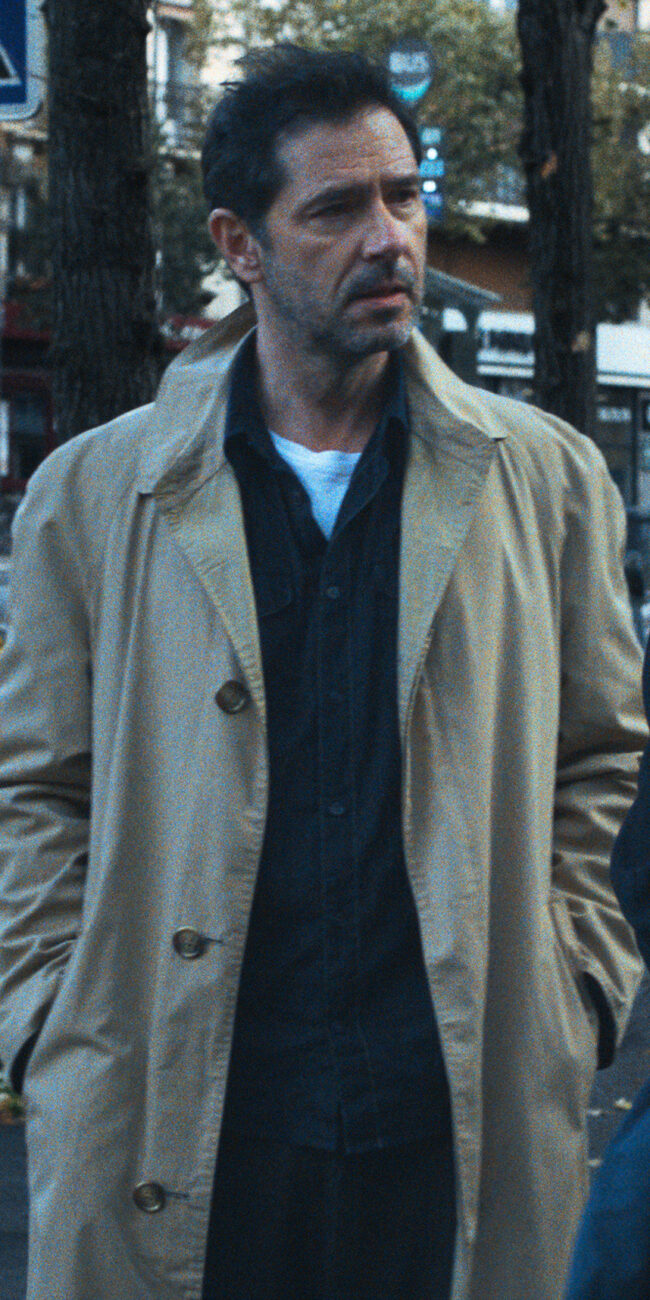
There’s another guest in the home, “Mr. Smith from New York” (Alejandro Goic), who is very much not American, but rather Chilean, a visitor from the Pinochet regime come to offer advice on how to destroy one’s enemies. In this case, enemies means the entire non-white population. But as is always the case under totalitarian governments, no one is safe, since the ones who wield power are never held accountable. Why anyone would welcome this has always mystified me.
Slowly, the walls of Marnus’ youthful idyll press inwards, revealing increasingly unpleasant truths about his father and the men who work with him. A sensitive child, Marnus can see the strain of awareness affecting his mother and Ilse, neither of whom—being women—pose much of a threat to Johan’s world order. But what Marnus thinks might matter one day, and he also doesn’t quite like what he says, even as his own actions cause some devastating consequences for Doreen and Neville. Beautifully photographed and acted, The Smell of Apples (the title comes from an unsettling moment of realization towards the end) is a powerful cinematic meditation on the worst of humanity, with a sliver of hope at the end.
– Christopher Llewellyn Reed (@ChrisReedFilm)