


THE NATURAL STATE
(Check out Anders Ljung’s The Natural State movie review, fresh from the 2026Telluride Film Festival. Seen it? Join the conversation with HtN on our Letterboxd Page.)
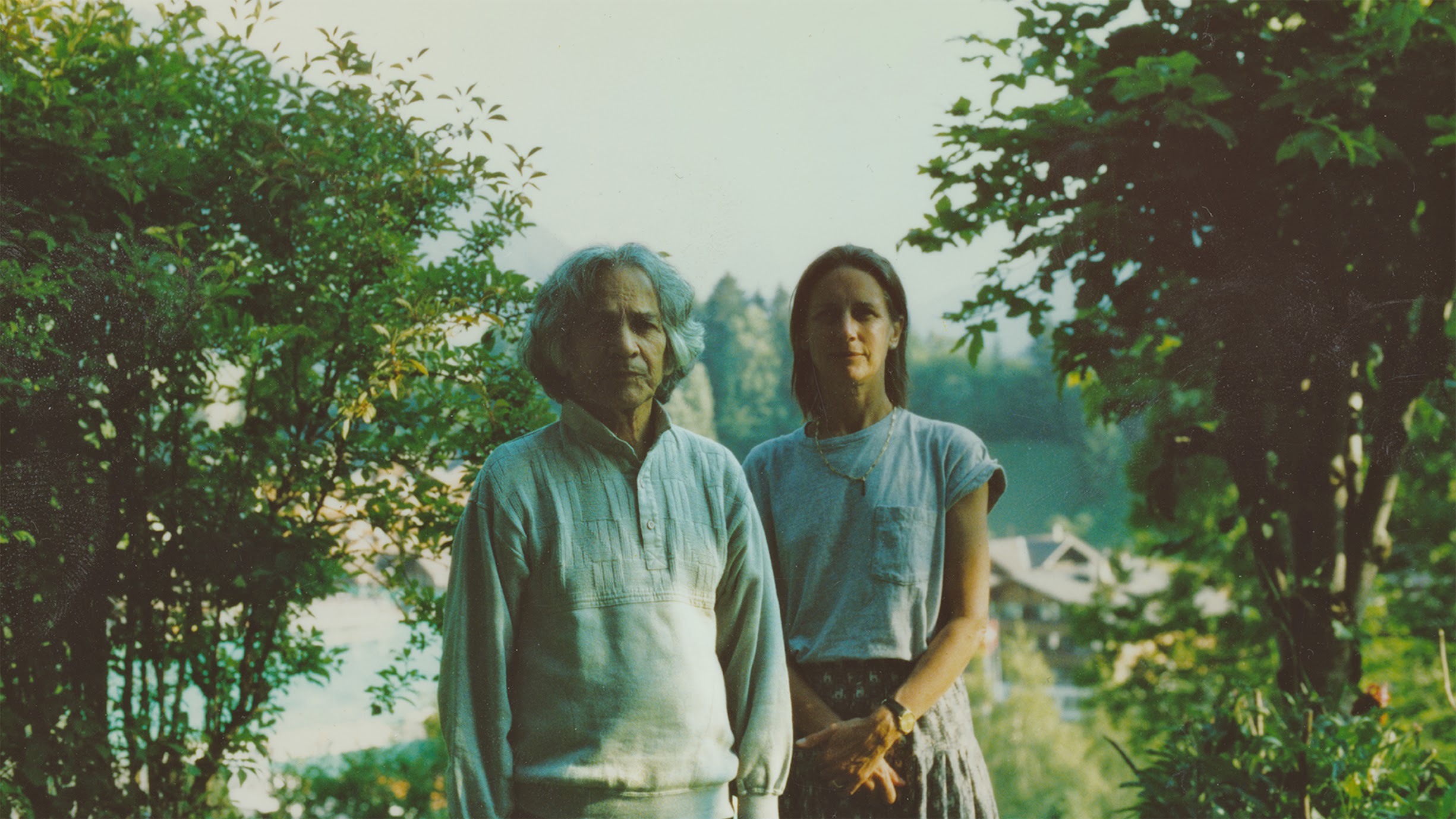
In 1989, wealthy New York mother Julie Thayer traveled to the Swiss Alps with an extraordinary objective: to have her ego destroyed. Waiting for her was U.G. Krishnamurti, the radical Indian anti-guru who denied possessing any spiritual teaching, rejected the idea of enlightenment and frequently told those seeking his guidance to leave him alone. Julie did not leave. Instead, she remained beside him with a video camera, recording hundreds of hours of conversations, confrontations and ordinary moments that would remain largely unseen for decades.
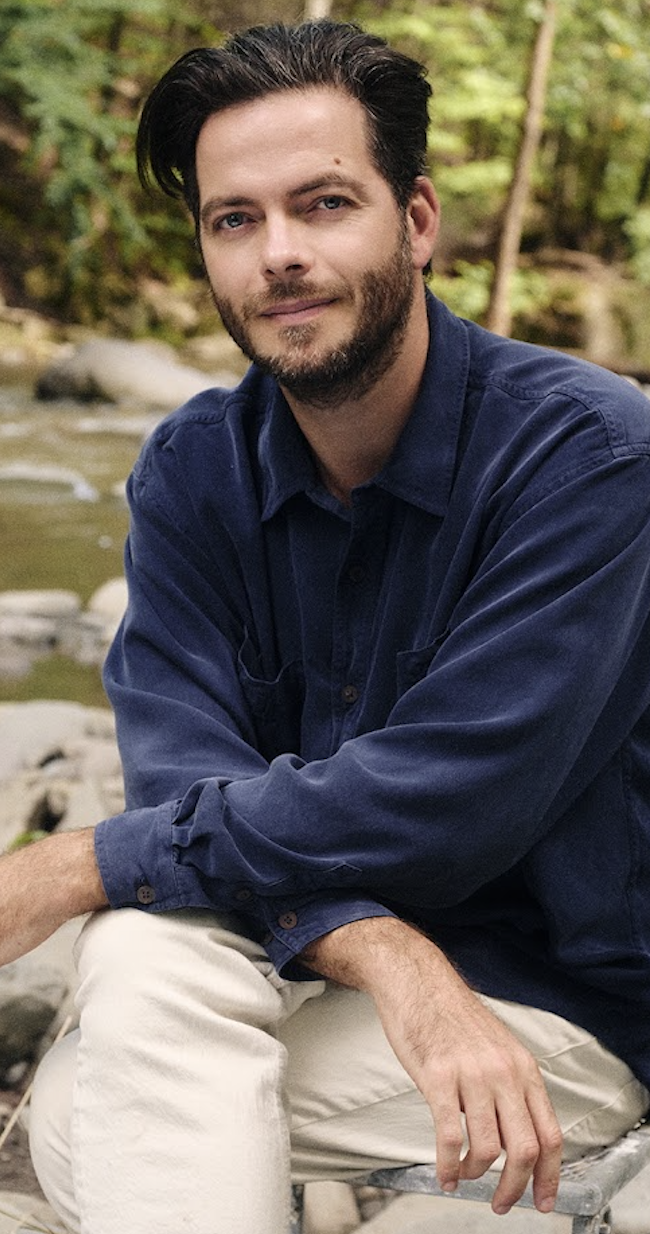
Constructed from that footage and the intensely personal journals Julie kept during the experience, Matthew Dougherty’s The Natural State is a gripping exploration of spiritual longing, psychological vulnerability and the danger of surrendering oneself to another person’s authority, even when that person insists he possesses none. What begins as an investigation into U.G.’s philosophy gradually reveals itself as something more intimate and unsettling: the story of a woman placing her identity under extraordinary pressure in the hope of discovering what might exist beneath it.
The film approaches that process with necessary caution. U.G. can be charismatic, funny and startlingly persuasive, particularly when dismantling the commercialized language of enlightenment. Unlike conventional spiritual figures, he promises no program, accepts no flattering title and offers no comforting destination. His refusal of the guru role initially seems like evidence of his authenticity. Yet The Natural State continually asks whether rejecting the appearance of authority actually prevents someone from exercising it. U.G.’s abrasiveness may appear liberating to one person and psychologically destructive to another.
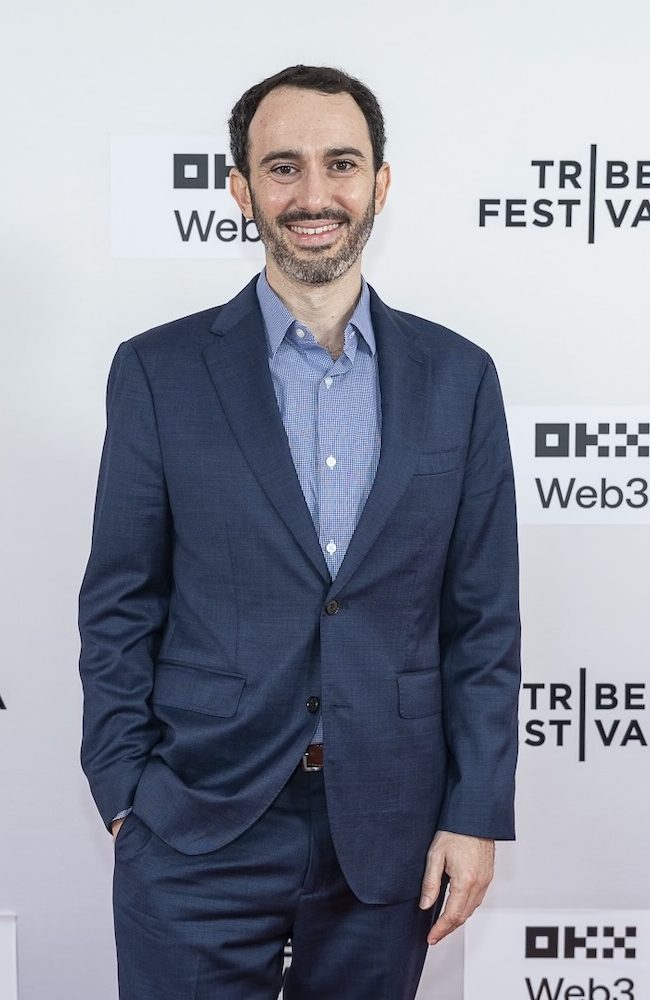
Dougherty’s greatest accomplishment is his refusal to resolve that contradiction on the audience’s behalf. He remains responsible to the film’s narrative without arriving with a predetermined argument about whether U.G. was enlightened, fraudulent, abusive or simply misunderstood. Rather than acting as an authority handing down a verdict, he becomes a careful guide through material whose meaning continually shifts. His direction protects viewers from uncritically romanticizing U.G. without reducing the film to a simplistic exposé.
That balance is especially important because Dougherty began the project with a genuine fascination with ego dissolution. In our conversation, he described his own skepticism toward spiritual leaders, informed partly by having been born into a fundamentalist Christian cult whose leader left lasting damage in the lives of its members. U.G.’s apparent refusal to sell anything initially felt radical and trustworthy to him. Over the film’s lengthy development, however, that certainty repeatedly collapsed. Dougherty found himself alternating between seeing U.G. as exceptionally awakened and wondering whether he was merely another narcissist surrounded by people eager to turn ambiguity into profundity.
The film preserves that uncertainty. It does not treat ambiguity as an evasive gesture, but as the most honest response to a figure who seems to invalidate every conclusion formed about him. By the end, the viewer may still be unable to determine precisely what U.G. represents. That instability is not a weakness in the documentary’s construction; it is the source of its power.
Julie, however, provides the film with its emotional clarity. Although U.G. supplies its philosophical labyrinth, Julie gives the documentary its stakes. She is not simply a vessel through which the audience encounters a famous anti-guru. Her journals and recordings create a fully developed parallel portrait of fascination, hope, dependence and distress. As her experience moves between ecstasy and devastation, the question driving the film becomes less about whether U.G.’s ideas are true than whether Julie will emerge safely from her pursuit of them.
Dougherty has explained that he initially imagined Julie as a guide who would lead viewers into U.G.’s world. The film found its structure only when he recognized that she was its emotional center. That realization transforms The Natural State from a biographical documentary into an intimate two-person study. U.G. may dominate the room, but Julie’s changing interior life ultimately determines how we understand what occurs within it.
The editing is remarkable in the way it distinguishes and then connects these two narratives. Julie’s footage is unpolished and intensely immediate: degraded video, informal compositions and long stretches of people simply occupying space together. Dougherty does not disguise those limitations. Instead, he uses their intimacy to emphasize how ordinary U.G. can appear when separated from the mythology projected onto him. The camera sometimes captures not a supernatural figure but simply a man sitting in a room while others search his movements, expressions and silences for evidence of transcendence.
Dougherty balances this footage with more expressive editorial contributions, including split screens, historical imagery, montage and carefully selected B-roll. These sequences provide visual momentum while preventing U.G.’s biography from becoming what Dougherty aptly described as an “animated Wikipedia entry.” They also introduce wit and entertainment into material that could easily become oppressively cerebral. The stylistic contrast between Julie’s home videos and the more elaborate biographical passages gives the film an engaging rhythm while reflecting its competing modes of inquiry: lived experience on one side and constructed mythology on the other.
Despite years spent immersed in the archive, Dougherty resists using his expertise to dominate the material. He instead creates room for Julie, U.G. and the audience to exist in unresolved tension. Even the involvement of executive producers Jane Campion and Mahesh Bhatt, both of whom knew U.G. personally, does not turn the documentary into a defense of his legacy. The film’s affection, skepticism and alarm remain in active conversation.
The Natural State is ultimately less concerned with explaining enlightenment than examining our desire for someone else to explain it to us. It understands why U.G. attracted people while remaining alert to the damage that can occur when philosophical provocation becomes
interpersonal power. Formally inventive, psychologically gripping and ethically attentive, the film transforms an extraordinary archive into a warning about the seduction of certainty—and an argument for remaining cautious around anyone who claims to possess the truth, including those who insist that no truth exists.
– Anders Ljung