




A LONG WINTER
(The Toronto International Film Festival (or TIFF) runs September 10-20 and HtN has boots on the ground covering all the best indie films they have to offer. Check out Clara Cuccaro’s A Long Winter movie review from the fest! Seen it? Join the conversation with HtN on our Letterboxd Page.)
It’s been three years since Andrew Haigh was last at TIFF with All of Us Strangers—a film that left me ugly-crying alone in a theater. Now, the British director returns to Toronto with his new period piece, A Long Winter. While it might not reach those same devastating emotional depths as its predecessor, it still carries Haigh’s signature, emotional restraint, specifically mapping the quiet undercurrents of queer yearning that put Haigh on the map with his films like 45 Years and Weekend.
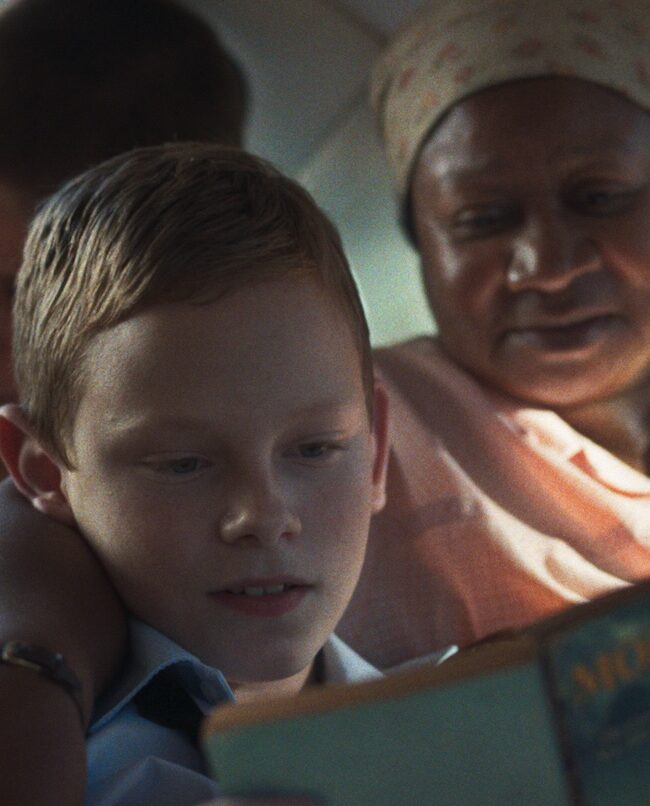
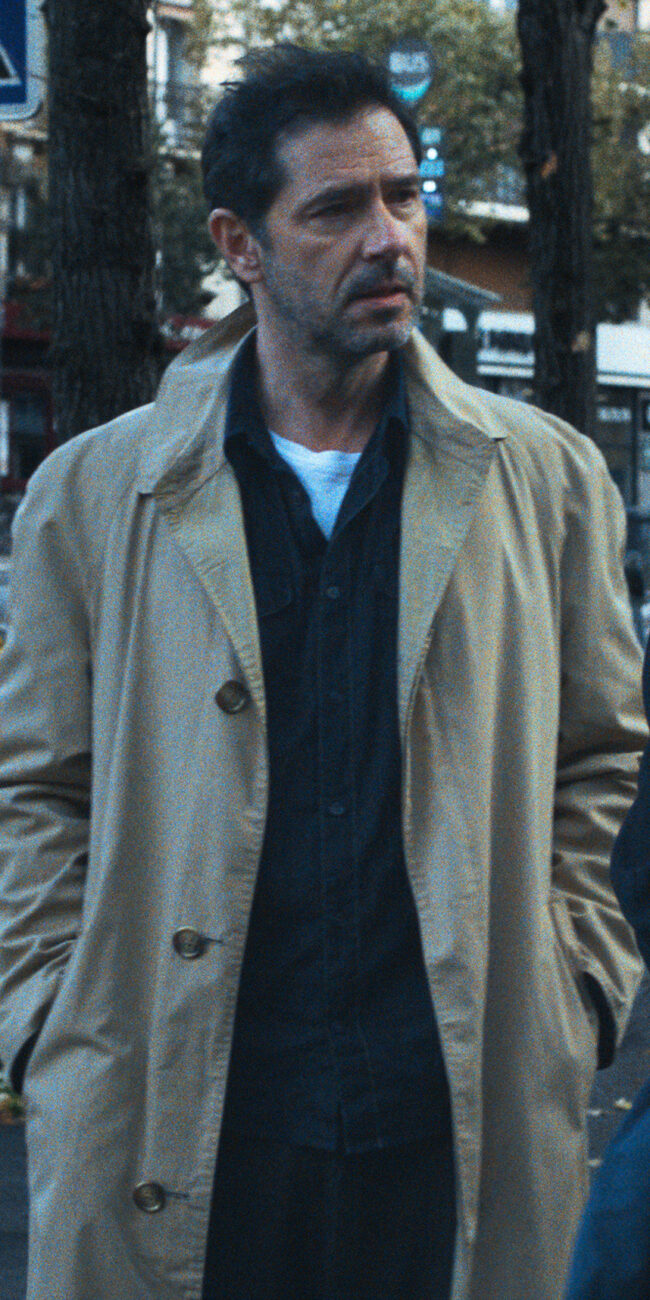
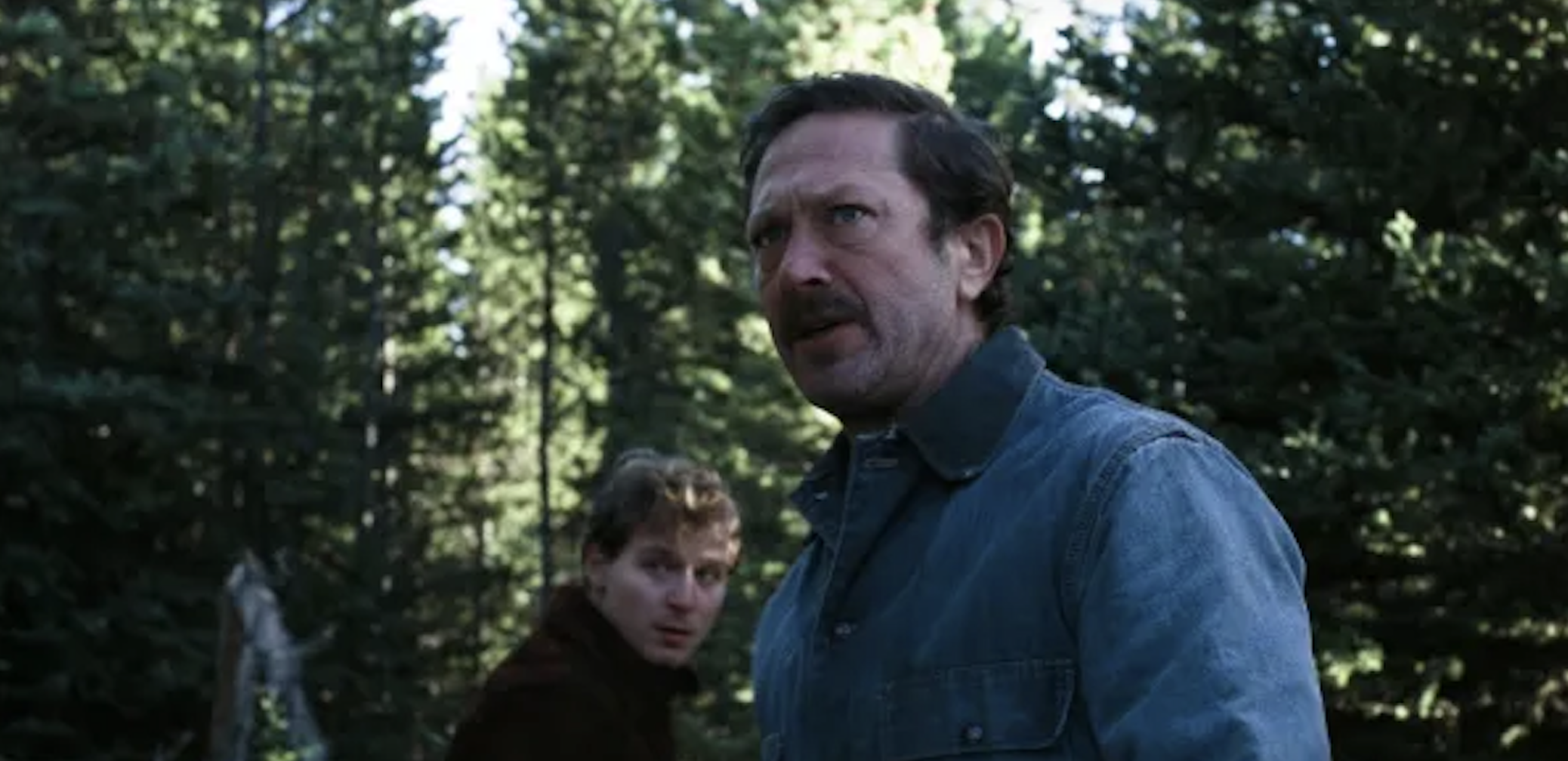
Adapted from Colm Tóibín’s short story of the same name, A Long Winter is centered around Mikey (Fred Hechinger) and his dysfunctional family living on a remote, snow-bound mountain farm in the Colorado Rockies during the 1950s. Everything falls apart when Mikey’s younger brother Tommy (Kit Connor) decides to enlist in the Korean War. This choice, which initially seems foreign to Mikey, may be an act of self-preservation. Louise (Caitríona Balfe), the boys’ mother, is a raging alcoholic. Her deep unhappiness is hidden from Mikey until he sees her sneaking a few drinks at the local bar during the family’s weekly shopping trip into town.
Lester (Ebon Moss-Bachrach), a self-righteous man obsessed with maintaining control over his household and land, is anything but helpful. He cuts off his wife’s supply after an unruly episode causing her to leave their side of the mountain during the first blizzard of the year.
Before this life-altering act sets the film in motion, Haigh lays the groundwork for a queer coming-of-age melodrama that’s reminiscent of the neighborly get togethers from Terrence Davies’s masterpiece The Long Day Closes. Set in Liverpool during the 1950s, these communal scenes between 12-year-old Bud, his Mother and their neighbors are centered around music in cramped, dark living rooms. They sing, eat, and laugh together, leaving the impression that these are the best memories of Bud’s life before it will inevitably change due to the young man’s queerness. Haigh creates a similar scene with Mikey before Tommy heads to war. The family genuinely seems happy as they dance and drink together in their living room, creating a warmth that is reflected on Hechinger’s face, but like Davies, Haigh knows that all good things must come to an end, especially during the 1950s.
The film offers effective, bittersweet moments like the reference to Davies alongside some technical choices that are less cohesive. Haigh alludes to Mikey’s queerness with fleeting glances to men that he finds attractive like the hot, Josh Hartnett lookalike playing a police officer, but these subjective shots are somewhat cliché. They show Mikey’s desire, but these choices are neither provocative nor novel. Similarly, Paul Haslinger’s score is overwhelming, often drowning out Hechinger’s subtle performance, but luckily, the cinematography from André Turpin, is beautiful and haunting. The Canadian Rockies, which stand in for Colorado, seclude the family from society. Turpin emphasizes the characters’ isolation through wide shots where snow and the mountain terrain engulfs the frame, visually reflecting the depressive guilt that comes with losing a loved one under unusual circumstances.
Minor technical flaws aside, A Long Winter remains a compelling addition to Haigh’s filmography. It doesn’t offer the same raw wallop of emotion as All of Us Strangers (it’s more of a slow burn), but it shows us the circumstances that prevent families from talking to one another. Haigh traps his characters in the quiet isolation of winter, but luckily the director doesn’t just stick to one season despite what the title might suggest. He ends his film in spring, where he knows new seeds will sow.