





(The 2026 Venice Film Festival runs September 2-12 on the island of the Lido di Venezia (Venice Lido) in Italy. HtN has coverage coming in like M.J. O’Toole’s Furies movie review. Seen it? Join the conversation with HtN on our Letterboxd Page.)
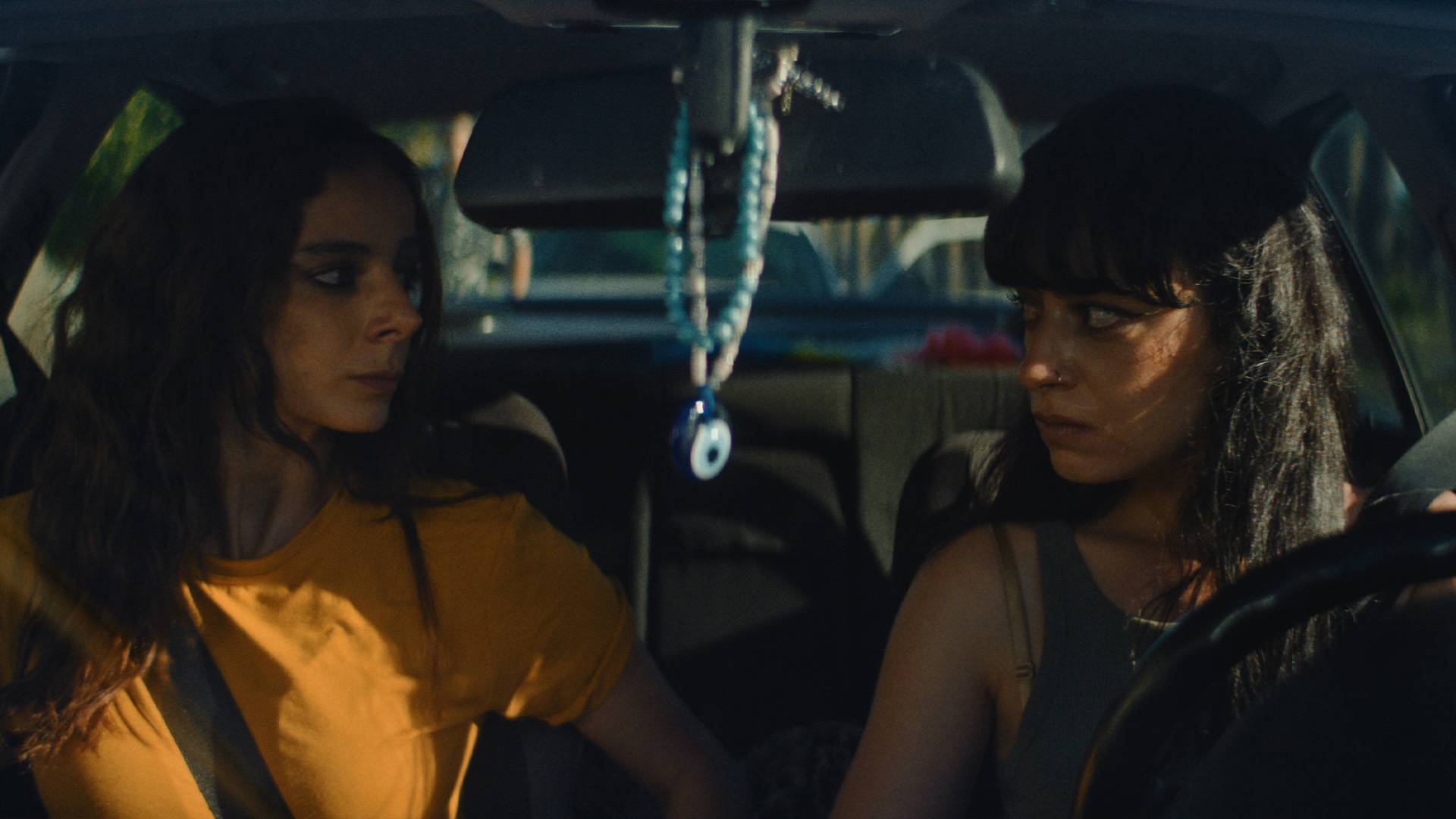
If you’re living in a country that has been fractured by a disastrous financial crisis that doesn’t let you access your own money – and exacerbated by the pandemic, global conflicts, and tariffs – how do you fight back against a system that takes away your right to live? In Rami Kodeih’s feature directorial debut, Furies, two sisters live in Lebanon amid an ongoing, corruption-fuelled liquidity crisis that has frozen millions of people’s assets since 2019, preventing them from accessing their own life savings and leading to 80% of the population living in poverty. When one of their lives is at risk in a way that only money can help solve, their only option is to take matters into their own hands. Kodeih, himself a native of Lebanon, lived through this experience when he and his wife/co-writer Nora Mariana were refused access to their funds when she needed surgery. Rather than filling this story with the overt despair similar films would tailor, we get a rather badass, edge-of-your-seat thriller that flips the middle finger at a corrupt system. It’s hard not to cheer for these Thelma and Louise-like heroines who aren’t afraid to stick it to the man and go all-in on their mission, no matter how wild and dangerous it is.
The story kicks off in 2022, three years into Lebanon’s financial crisis, when prices have inflated and making money has gotten harder than ever. Maro (Rym Mroue) spends day in and day out trying to access her savings as her younger sister Dalia (Maria Nakouzi) needs surgery ASAP for Stage 1 cancer in the uterus. Her first visit to the bank is interrupted by a random person who douses himself in gasoline and threatens to engulf himself in flames if he doesn’t get his money. Yeah, the situation is really THAT bad for Lebanon’s citizens. Maro and Dalia are sisters who are thick as thieves (pun intended for what’s to come), the kind who lovingly roast one another and have each other’s backs whenever needed. Maro tries to save whatever she can for the fun-loving Dalia by running a hairdressing service on her balcony. The kind of incensed feelings Kodeih and Mariana likely have towards their country’s broken financial system are clearly evident in their script. After a meeting gone terribly wrong with the bank’s antagonistic manager, Maro has basically given up on trying to do things the civilized way and goes to Dalia with what may be their last option: break into the bank and take their money back themselves. As crazy as this idea may sound, can you really blame them? After all, desperate times do call for desperate measures.
Watching events unfold, you may feel like you’re watching something more along the lines of a Michael Mann thriller than a complex social drama. To hatch their plan, the two sisters put in the work, which includes scouting the home of a building concierge living next to the bank, scouting out the neighborhood, and tailing the bank manager’s movements outside work hours. With limited resources, they realize they’ll need some extra help for their heist. For this, they enlist two men to their crew: Sunshine (Issam Bou Khaled), a kindly old man from the neighborhood with a lot of regrets who took part in the Lebanese Civil War; and Hamsa (Hasan Akil), the wild card of the group who owes money to a notorious local crime boss. Kodeih cares about his characters deeply, humanizing them enough that we see each of their perspectives and get a sense of their own journeys in life. Each member of this heist crew is trying to dig themselves out of some sort of hole, whether it’s financial or finding a kind of peace. For Maro and Daria, however, it would be argued that their challenges are more trying, as they live in a society that caters more to the patriarchy, such as Maro’s ex-husband, who took the hair salon she started with her own two hands in the divorce and has primary custody of their young son, Ali, who she can’t spend time with as much as she wants. In a sense, this heist might just as much be about fighting back against a male-dominated society that has held them down as it is about trying to save one’s life, regardless of whatever consequences may follow. While this thriller clearly shines a light on an international catastrophe not everyone might be aware of, it also inspires resilience and honors the bonds of family and community.
For the heist that eventually occurs and the events that follow, all I can say is brace yourself. I haven’t felt such pumped-up intensity for a sequence since Mann’s Heat or Jean-Pierre Melville’s 1970 classic Le Cercle Rouge. Kodeih’s sharp editing, along with Tony Kopec’s kinetic, noir-like cinematography, adds to the story’s heart-pumping energy, which will have the viewer hooked from the first scene forward. Maria Nakouzi and Rym Mroue are forces of nature, both giving powerhouse performances as these loving, tough-as-nails sisters who will stop at nothing to get what’s theirs, with backing down never an option. With George Clooney and Grant Heslov attached as executive producers, this could be the boost needed for a wider theatrical rollout – and trust me, these thrills are worth experiencing on the big screen. With Furies, Rami Kodeih emerges as an exciting, uncompromising new voice in contemporary cinema, channeling raw emotion into exhilarating results. As much as it is about a country still contending with its past and present, there is a good amount of love and fun that sweetens the bitter pill. No one knows what the future holds for Lebanon and its people. In a dog-eat-dog world like this, sometimes all that’s left are the choices we make and what follows from them.
– M.J. O’Toole (@mj_otoole93)