

A Conversation with Felipe Bustos Sierra (EVERYBODY TO KENMURE STREET)
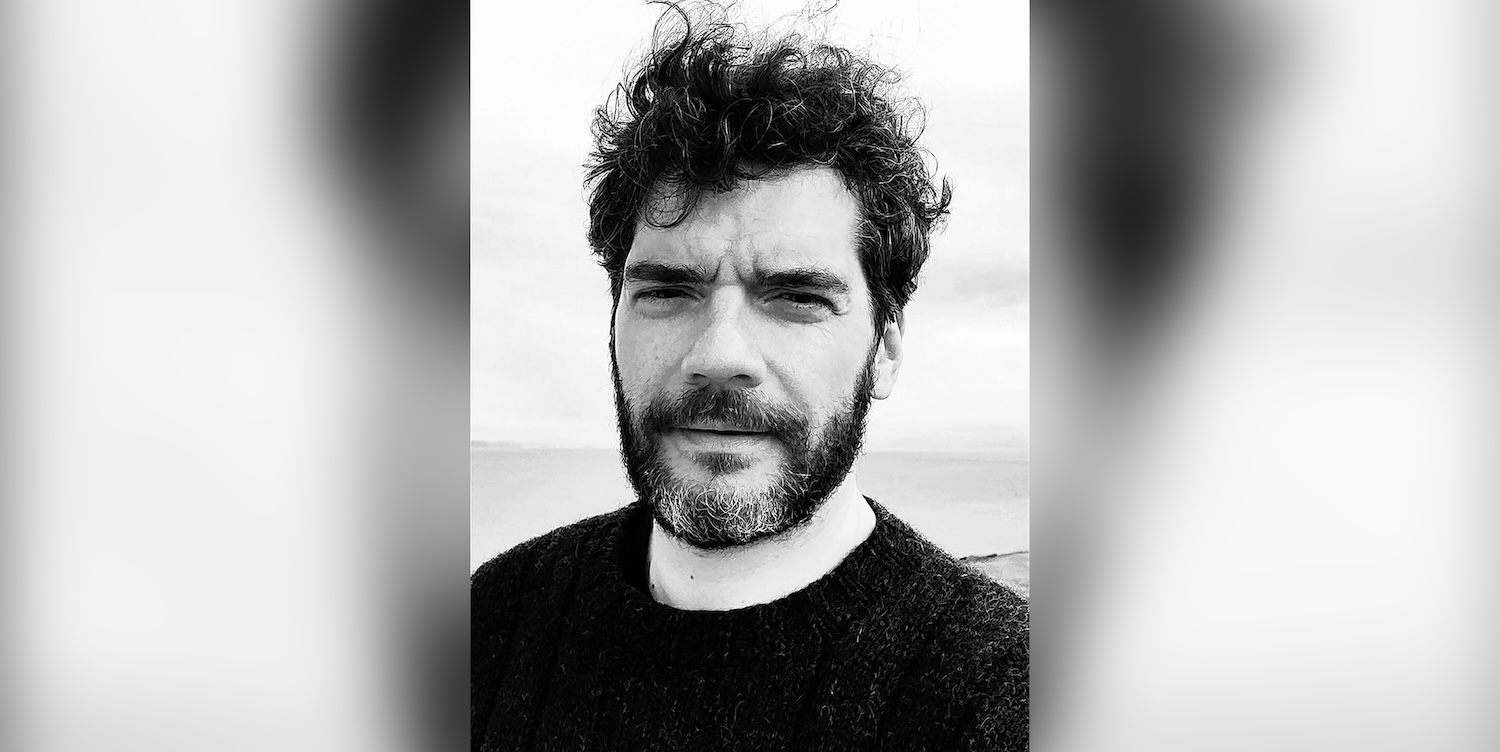
Everybody to Kenmure Street (which I recently reviewed), from director Felipe Bustos Sierra (Nae Pasaran), just premiered at the 2026 Sundance Film Festival. The documentary highlights a 2021 protest in Glasgow, Scotland, over a dawn raid to kidnap two immigrant men in the city’s diverse Pollokshields neighborhood. Think civil disobedience is merely for the history books? Think again, for these Glaswegians are not messing around. During the fest, I spoke with Bustos Sierra by Zoom. The interview below is a transcription of that conversation, edited for length and clarity.
Hammer to Nail: I’d like to start with your own background, since I think it’s relevant to the movie. You are the child of an exiled Chilean journalist. How has this family history informed your filmmaking choices?
Felipe Bustos Sierra: I guess documentary was always going to be predestined. The first time I held a camera was when I was 9 and went back to Chile for the first time, still during the dictatorship. And my dad was still on the blacklist as a journalist, but he bought us one of those gigantic VHS cameras, where you have to carry a VCR with you. And my mom and I split up the work and went to the place where he’d grown up, interviewing friends, interviewing families. And I think I remember feeling very aware of my audience at the time: this is for my dad and this is going to be how he sees a country that he hasn’t seen in 15 years. So the idea of how you talk to people and the relationship between reality and an audience is something that’s been building up ever since.
HtN: You were raised in Belgium, if I’m not mistaken.
FBS: That’s right.
HtN: How did you end up in Scotland?
FBS: Being part of the exile, the concept of home gets a little diluted over time. And so I traveled a lot. I was feeling quite restless. And I’ve always been obsessed with film; I saw Stand by Me when I was 12 and it changed my life. And then since Scotland, and particularly Edinburgh, had so many festivals and one of the oldest—or possibly the oldest—film festivals in the world, the Edinburgh Film Festival, I guess I found my people and started making films.
HtN: So when did you decide to make a documentary about the 2021 protest in Glasgow that is the subject of Everybody to Kenmure Street?
FBS: Within days, within days. I lived in Govanhill at the time, which is mentioned in the film, on the south side of Glasgow, which is the most diverse community in all of Scotland. And solidarity has been a big part of my life. My first film, Nae Pasaran, was about a story from my childhood about Scottish workers who refused to work on airplane engines for Chile. They used the Scottish weather: they just took the engines outside in the yard to let them rust. And it became the longest continuous boycott ever. The process of making that film in Scotland created a community around solidarity and human-rights issues.
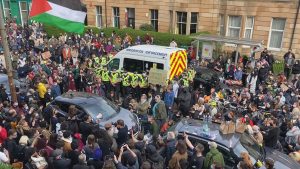
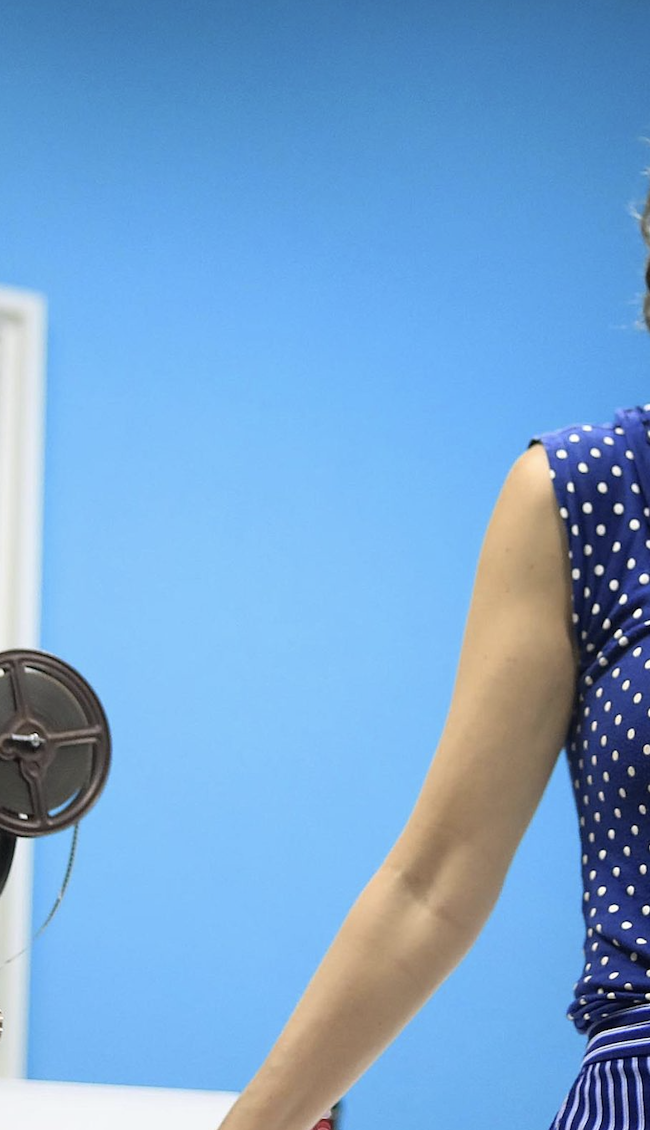
A still from EVERYBODY TO KENMURE STREET by Felipe Bustos Sierra, an official selection of the 2026 Sundance Film Festival. Courtesy of Sundance Institute.
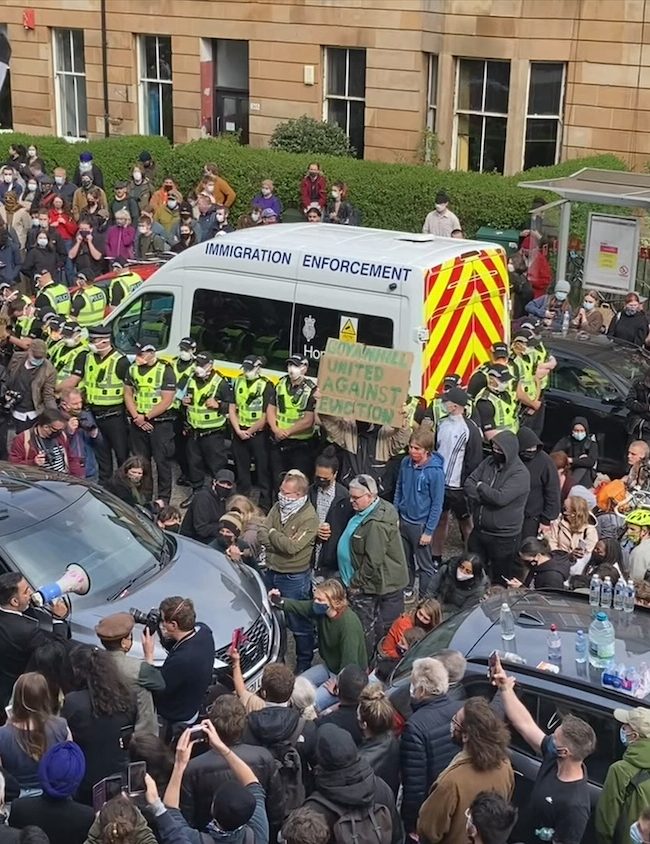
And then Kenmure Street happens and my film, Nae Pasaran, was on TV at the time, and people were saying, “Can you share this? It’s the same thing happening here.” And I just didn’t see any hope: I saw that picture of the van with maybe three or four people around it. And there were all these things going on in the world at the time which made me feel like the police was not going to back down. So I didn’t go. But I was tracking it throughout the day and it blindsided me. And what happened at the end, after 8 hours of standoff, is something I never got to feel my whole life. And some people turned up to a protest for the first time in their life and felt that in one day. And so the next day, I went to see friends who had been to the protest and I started talking to people and I realized there was a whole new level of intelligence about solidarity.
And I guess because of my first film, the access was just so easy. I think people knew what kinds of films I was making and I got to meet some of the key characters very quickly, including Van Man and the human-rights lawyer Aamer Aanvar. And I reached out to a friend, Ciara Barry, who lives on the street and was in the protest and who’s one of the emerging producers in Scotland, and I was like, “I think there’s something really new here and really exciting.” And we started from there.
HtN: Speaking of Van Man…your film is made up almost exclusively of interviews with the protest participants, archival material about the area and the history of civil disobedience, and footage from the actual event, but you then have three actresses playing the parts of three crucial roles on the ground, including Van Man, who was played by … drum roll … Emma Thompson. So, what motivated the choice to do that and what came first, Emma Thompson being a producer on the film or you approaching her to play one of those parts?
FBS: Safeguarding was the real reason behind all of it. It’s a protest that happened four years ago but we’re still living through it and people who went to the protest are still going through it, in some cases. So we were very careful that the film doesn’t diminish the quality of life and really celebrates what happened on the day. And as you can imagine, Van Man, in the weeks after the protest, became a sort of near-mythical character around Glasgow. So it took a while to get to him and it’s through him that I found out about the nurse; nobody had really mentioned the nurse before. And he was very humble. He said, “I was only useful for about 15 minutes. My skill was the opportunity of being there really early on and having no cops around the van, which means I had time to get in.”
But sometimes people, particularly with this kind of event, get put on a pedestal. The word “extraordinary” gets bandied about, and I think it takes away the idea that anybody could have done this. Again, it’s just an opportunity. It was just, he saw a moment, he took it, and anybody could have done that. And that was his style, as well. So initially, it was “I don’t want people to use my face or my body as an idea of this as the kind of person we need,” but also just safety, not being recognized. It’s an important thing in the time we live in. Same for the nurse, who’s a working nurse. So really quickly, I thought, “Well, it would be great to work with actors on this.”
And I had an existing relationship with Emma Thompson from the making of Nae Pasaran. She wrote me a beautiful letter when she saw it and we’ve sort of been in touch ever since. So at that point I was like, “Look, I’ve got this idea. What do you think about this? Here’s the testimony, here’s the transcript. I think it’d be funny, but I think there are also all these little points that we can hit, since a lot of the research of solidarity and protest and civil disobedience in Scotland, as far back as you go, has always been women and migrants first.” And I thought it’d just be lovely and to just also gender swap Van Man and show that really, when you see the opportunity to do something good, you have to take it. And there’s definitely a level of mischief by seeing Van Man, and he takes off his mask and it’s Emma Thompson underneath.
HtN: It took me a second, just a split second, to realize it was Emma Thompson. I mean, she’s so familiar to me. And then of course, Kate Dickie has such a unique face that she was not hard to recognize, either.
FBS: I love Kate. I’m so glad she was a part of a project. She was a fan of the project even before we approached her. She’s from Glasgow herself and lives in Glasgow. And it was just a lovely conversation to have: “Here’s the character. Would you play that?”
HtN: You brought up Edinburgh earlier. How would you describe the differences between Edinburgh and Glasgow?
FBS: Scotland’s a small place. There’s a saying in Scotland that you’ll have more fun at a Glasgow funeral than at an Edinburgh wedding. That should tell you.
HtN: Well, I’ve been to Edinburgh before and it’s beautiful, but I have not been to Glasgow.
FBS: Edinburgh’s beautiful. Glasgow’s got characters. Yeah.
HtN: What would you describe as your biggest filmmaking challenge on this documentary?
FBS: There were many. This wasn’t an easy film to make. Funding didn’t come easy. I think it’s obviously a very controversial topic despite being an absolute reflection of what happened on the day and being essentially quite a joyful film, but funding didn’t come easy. So we did use crowdfunding. We had a Kickstarter campaign to help us move forward. We received a huge quantity of footage from people on the streets, and 80% of the film is that. I feel like we could do workshops about how to record protests properly and film in landscape mode instead of in portrait mode, but I guess so much of it was captured in the moment. We tried to mirror that as much as possible, but it does mean that people often treat their phones like Hoovers.
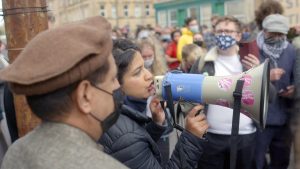
A still from EVERYBODY TO KENMURE STREET by Felipe Bustos Sierra, an official selection of the 2026 Sundance Film Festival. Courtesy of Sundance Institute.
The editing process took about 20 weeks, with myself and Colin Monie, who’s one of the best editors in Scotland, and with whom I worked on Nae Pasaran, so there was an existing relationship, there was a shorthand in how to put that together. But it was really a challenge to create a timeline. And we had all these fragments, sometimes three, four, five seconds, sometimes much longer. We had people, thankfully, who were live streaming. So we had long and broken files, which helped us to create a timeline, but also track people, see who else was filming. It was a really painstaking process of getting all these interviews and people telling us all these amazing things, but we don’t have any footage of it. Can we trust that people tend to embellish things? Sometimes false memories play a part. And then a month later, this piece of footage would turn up and we’re like, “Here it is in the film!”
So editing was a real balancing act to both create a sensory experience, get a sense of how maybe you didn’t attend the protest, but this is what you may have felt. I think, going to a protest, there’s a collective experience that is enhanced by experiencing all these emotions with the people around you, whether they’re strangers or friends. And so we wanted to keep that going and also keep our momentum going and keep an authenticity that this is exactly what happened.
HtN: That sounds like quite the challenge! You talk about landscape-versus-portrait: I think it’s a losing battle. I think sites like TikTok have forever cemented in people’s minds that the vertical frame is an acceptable alternative. I just think people are going to film the way they’re going to film and we have to work with that. So, last question: what we see on the screen is a great example of how important peaceful protests are in the quest for justice. And we are obviously at a really crucial juncture in the United States right now where it feels like parts of the country are about to go up in flames. I’m curious, based on what you learned here and in your previous film and perhaps lessons from Chile—of course, Chile is about to backslide now—what advice would you give to Americans about next steps?
FBS: It’s clear that you have to go in knowing that these things are always going to happen, and so therefore you just have to continuously show up over and over again. There’s the story of the Glasgow Girls in the film, about these schoolmates, all teenage girls who were making a documentary about their life as children living in the U.K., living in Scotland and not being born there. And while they were filming this, one of their friends got lifted and got detained. And that was such a big story at the time. It was such a big campaign and so well-supported that it actually changed legislation in the U.K. And so for many people, 20 years later, to see what happened on Kenmure Street, it was such a shock.
It was like, “Well, we thought this was done. We fought that battle, but all of a sudden there’s another immigration event on our street.” And so I think knowing that it’s going to be this compromise where we’re always going to have to do this while at the same time living a rich, happy life, creating a community around you, creating a safe space, which is really what won the day on Kenmure Street. All the tools are there and they’ve been working for centuries. And I think maybe some people dismissed it because these are somethings we’ve used in the past, but it’s just going to take all of us all over again.
At the same time, I don’t want to be glib. The police response on Kenmure Street was over-the-top for us; I understand it’s very tame compared to what’s happening in the U.S. The availability of guns there create a short path to violence that we don’t have to deal with yet. So it’s incredibly clear that the sacrifices that people are going to have to make are on a whole different level, and we’re seeing it from Europe. We feel like it’s about to happen to us, but I think the idea is it’s going to take all of us, regardless of borders.
HtN: I think you’re right. And fingers crossed about the future. Well, Felipe, thank you so much both for making this film, which I found really inspiring, and for talking to me. I wish you all good things at Sundance.
FBS: Thanks so much, Chris. Thanks for taking the time, as well.
– Christopher Llewellyn Reed (@ChrisReedFilm)