





TAKE ME HOME
(The 2026 Sundance Film Festival kicks off Thursday, January 22 and runs through Sunday, February 1 for, sadly the last time, in and around Park City, Utah. Check out M.J. O’Toole’s Take Me Home movie review, fresh from the fest. Seen it? Join the conversation with HtN on our Letterboxd Page.)
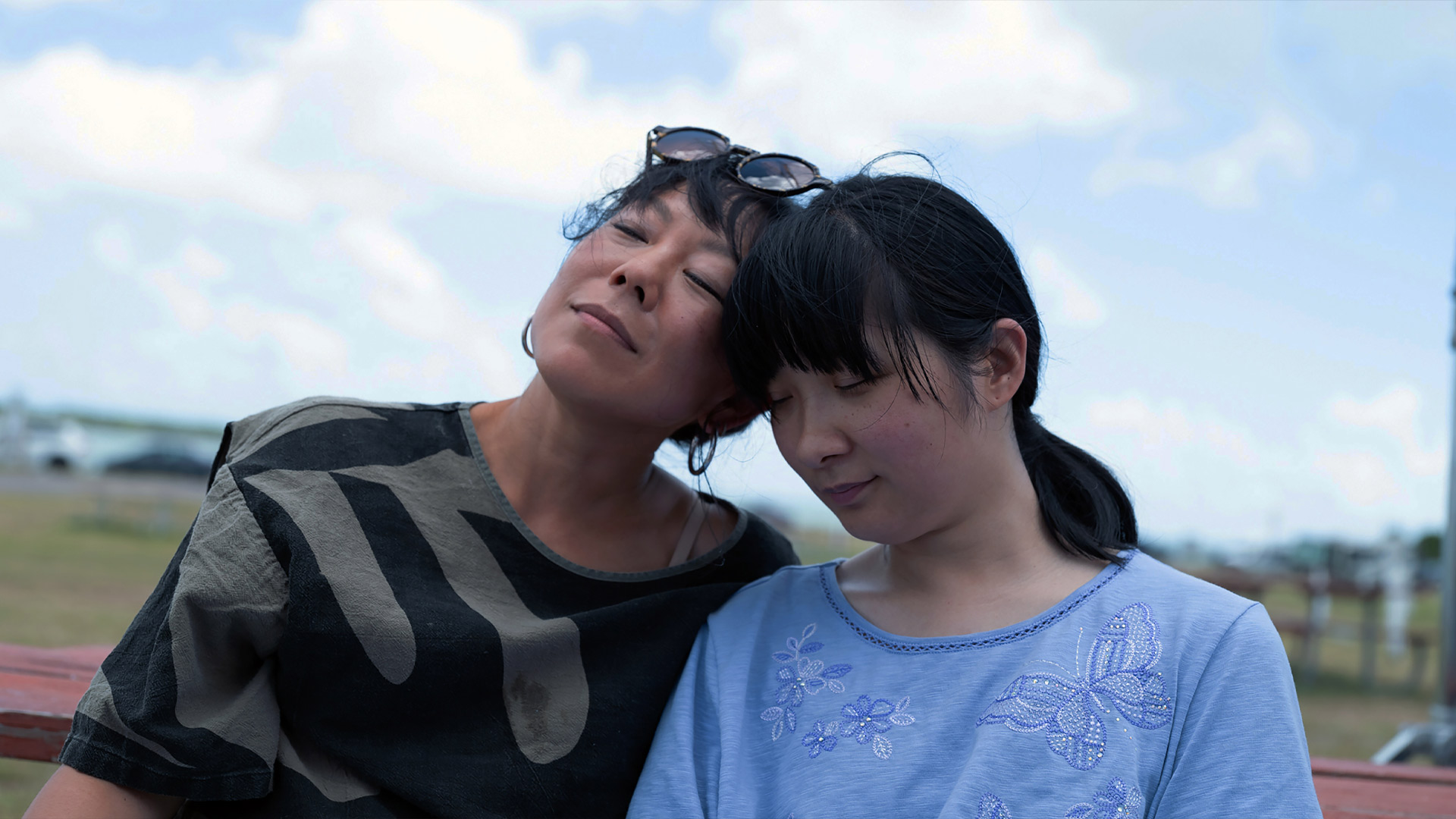
They say cinema is a powerful tool for empathy. With her feature debut, Take Me Home, writer-director Liz Sargent crafts a vision of empathy not just for her cognitively disabled protagonist, but also for the people who love and care for her unconditionally. With so many portraits of neurotypical people flooding our screens, it’s honestly refreshing to see one of someone neurodivergent that dives into their life and mind without turning them into a stereotype. But this isn’t merely a portrayal of someone with this condition; it’s a window into the lives they lead and how they respond to a world that they may not understand. And what better person for Sargent to cast than her own sister, newcomer Anna Sargent. The sisters, both Korean adoptees, are a fantastic team, as their bond translates into a coming-of-independence story rooted in their own upbringing. By the time we slowly but surely become aware that Anna won’t always have her family to care for her, it conjures the big question of how someone with her condition can have a life of her own. The result is a life-affirming family drama that is a testament to the depths of unconditional love.
By the time we meet our thirty-something protagonist Anna, she’s still living at her Florida home with her retiree adoptive parents Bob (Victor Slezak) and Joan (Marceline Hugot), who spend almost every waking second caring for her in their old age. Because of her disability, she has a routine life that, once disturbed, brings out tantrums, such as when she loses her reusable water bottle or can’t find her favorite shirt. Her mom even has to help her bathe as she is still unable to do so on her own. But no matter the burdens her parents go through or the extra effort they have to put in caring for her, they both love her infinitely, just as much as she loves them. After all, they chose to adopt Anna, knowing that she had a cognitive disability. But while they were able to succeed in raising and caring for Anna all these years, they’re not getting any younger. And when a heat wave arrives, it shakes up the family’s life in a way that becomes the starting point of Anna having to adjust to a whole new way of life. But how can someone who has needed care all her life and may not understand everything that goes on around her adjust to these changes?
A loss in the family soon marks the return of Anna’s older sister Emily (Ali Ahn, terrific here), another Korean adoptee who always had a loving bond with Anna since childhood. Emily, a career woman with a whole other life in New York, struggles with the demands of her job back home, helping Bob sort out his arrangements, and the stresses of helping care for Anna. She thinks her parents have been “enabling” Anna by giving in to her demands and catering to every single one of her needs without having her do things on her own. But in between those trying moments, there is plenty of love between these sisters. Even a little shoplifting tactic brings back a sense of fun and joy that makes them feel like kids again. Liz Sargent most likely brings a lot of her own relationship and memories of her relationship with Anna into her script, and it shows that the ties that bind are deeper than one’s condition or needs. But the family dynamic soon becomes more fractured when Emily begins to notice signs of cognitive decline in Bob, something Anna herself is clearly unaware of. As some would consider Emily the more “rational-minded” of the family at this rate, she can’t fix everything on her own, which breaks her heart as she feels she’s failing her family. One of the many things that makes this film profound is the heavy sense of responsibility caretakers feel, and the emotional impact it bears.
As Bob, Victor Slezak gives a phenomenal, multilayered performance as someone also struggling with so many life changes, more specifically, the fact that his surfacing dementia means he’ll no longer be able to care for Anna. Even his health coverage isn’t enough to pay for her to receive care once his condition takes full effect. At one point, Emily asks him a question that’s probably on lots of viewers’ minds: Why would he adopt a child with a severe disability? His response is short, but says plenty: “Why not? We had love to give.” Vulnerable moments like these are where Liz Sergent’s thoughtful script hit its best notes. Once Anna and Bob are the only ones in the house, his worsening condition forces Anna to do things on her own for the first time. While she stumbles on them, she finds solace with a super-friendly next-door neighbor (Shane Harper). His inviting her to hang out and fool around with his buddies gives her a sense of community outside of her family. This suggests that the best path to Anna finding independence should involve a community that provides her with a shoulder to lean on, treats her like a person, and fully embraces her.
Take Me Home will no doubt resonate with many people who care for disabled family members. It doesn’t sugarcoat the demands and obligations that come with it. But it will also give you a better sense of understanding of them and make you see them as more human than they seem on the surface. Liz Sargent takes the story from her original short film and makes it even bigger with a look at growing independence and the ties that bind both a family and community. Anna Sargent will steal your heart in this breakout performance that she undoubtedly put her soul into. This is her story, just as much as her sister’s and their family. Aided by Farhad Ahmed Dehlvi’s sun-kissed cinematography and Ian Holden’s striking editing that amplifies how Anna feels and how she sees the world, it proves that all of us, no matter how different we may be, are still uniquely human with the same problems that we experience differently. With its observations on relentless caretaking, the shaky U.S. healthcare system, and the intentional love that comes with adopting, Liz Sargent’s soulful feature debut will stun with its realistic depictions and the lasting effects of empathy that will shower over you.
– M.J. O’Toole (@mj_otoole93)