



A Conversation with Lotfy Nathan (THE CARPENTER’S SON)

The Carpenter’s Son reimagines the untold adolescence of Jesus in Roman-era Egypt through the lens of supernatural horror. Writer-director Lotfy Nathan draws from the apocryphal Infancy Gospel of Thomas to craft a provocative thriller starring Nicolas Cage as Joseph, a devout carpenter wrestling with doubt as he protects his divine son from demonic forces. The film explores the tension between faith and fear. It is a visceral exploration of what it might have truly felt like to live in an age when the supernatural was reality. With FKA twigs as Mary and breakout performances from Noah Jupe and Isla Johnston, this RLJE Films release shot entirely on 35mm in the rugged landscapes of Greece delivers both genuine scares and emotional resonance.
Hammer to Nail: You’ve described the Bible itself as reading like horror in many ways. Can you elaborate on how you see that genre as an authentic lens through which to view these ancient stories?
Lotfy Nathan: First of all, you’ve got the devil, you’ve got hell, you’ve got wrath and punishment. Even in the overarching elements, not to mention the carnage in a lot of the biblical accounts, especially the Old Testament, it really runs the gamut. But I think what struck me initially—my entry point into making it horror—was to meditate on the divine and that period of time, what people would have believed and what kind of understanding they would have formed out of occurrences and events.
The presence of religion and faith at that time as a defining principle over science and reason—I think there’s a lot of elements that go into thinking of it as a genre thing when it comes to movies. Part of that angle was from my documentary background, looking at this subject and this setting. I had this interesting entry point, this novel idea to make a story about Jesus’s adolescence as a kind of missing piece of the puzzle of the timeline of the New Testament. I backed into the genre angle by thinking of these things as realistic, as if this thing really happened.
As much as there are horrors in the stories of the Bible, I started to think of even the divine as not necessarily scary, but daunting, overwhelming and challenging. I thought even the visions that Joseph might have had from angels would have been incredibly overwhelming for a person. When you really play it out, think about how that would feel, that was the spark.
HTN: You describe Joseph as “all too human” despite being tasked with protecting the divine. How did you and Nicolas Cage work together to develop this portrayal?
LN: For that character, it’s somebody who has every good intention. When you think about it, Joseph the carpenter would have been the closest to the divine that any human being gets. I would say even more than Mary. Joseph was just a very firm believer. The story goes that he had these visions, but that’s all he was given. Otherwise it would just be him and his faith.
I went down that rabbit hole and unpacked what his character might have been. I imagined him as incredibly devout. Reading and researching about Jewish antiquity, there’s such a dogmatic, regimented faith with so many rules and doctrine. That became part of his character. Then there’s the contrast between him and Jesus in my story being young, being a teen, and that inevitable conflict.

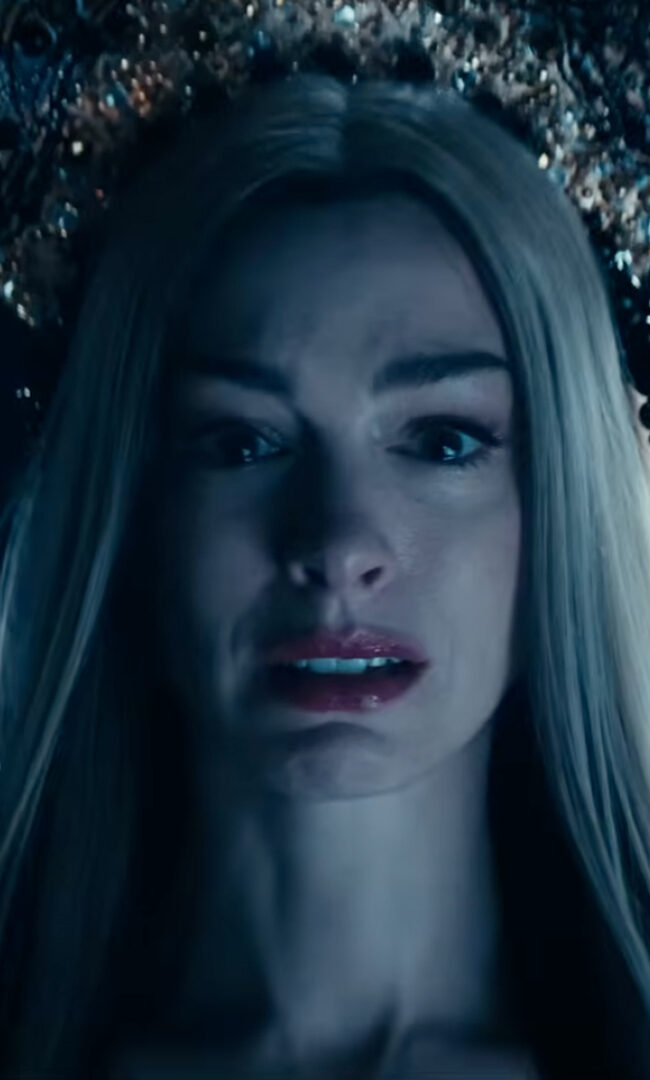
A still from THE CARPENTER’S SON
In adapting the Infancy Gospel of Thomas, which is written very much like a laundry list of events, it’s a quick read, maybe 20 minutes, if you read between the lines, there’s this adult Joseph who is really at his wit’s end having difficulty with Jesus. Even in the Bible, in the New Testament, there’s one moment where Joseph and Mary have looked for Jesus for three days after he’d gone missing. They find him in the temple and ask him where he’s been. If you read between the lines of that dialogue, I think it speaks to a conflict between Joseph and Jesus in the parenting part.
As for Nic, he’s got all this great range and human dimension. We talked about Toshiro Mifune, this kind of stampeding but sincere character. It was an earnest person dealing with this incredible task, and Nick just did an amazing job at portraying that.
HTN: You added Satan as a character who wasn’t in the original story. What made you realize this addition was necessary? Also, Isla Johnston emerged from over 20,000 audition submissions and you initially planned to cast a male actor as Satan. What was it about her thousand-mile stare that made you reimagine the character?
LN: It was really not at all what I expected. She looks really sweet. This is before we cut her hair and changed the color and put her in a costume. Isla is beautiful and the last thing I was imagining for Satan. But it was really just her, she’s hypnotic. Her look, her presence. The first screen test I saw was a video, and I watched it many times in a row. It’s because of her performance that I think that character is someone you can really get swept away by. She gave it this vulnerability and this entry point, but at the same time she had these two great sides to her.
As to why I put Satan in the script, I kind of backed into it. The Infancy Gospel of Thomas doesn’t really have a narrative arc, so I had to invent that myself. In the spirit of making this origin story, this side story, this piece of fan fiction of the Bible, of the story of Jesus, I thought about what pieces aren’t really accounted for in the Bible. It’s not really explicit if Jesus had encountered Satan prior to his temptation in the desert. What if they had met when they were younger? That’s really exciting, really interesting.
Without spoiling the film, it ends up intersecting with other things that aren’t resolved in the timeline of the New Testament. As soon as that occurred to me, I couldn’t not do it. That ended up being one of the more interesting characters to write.
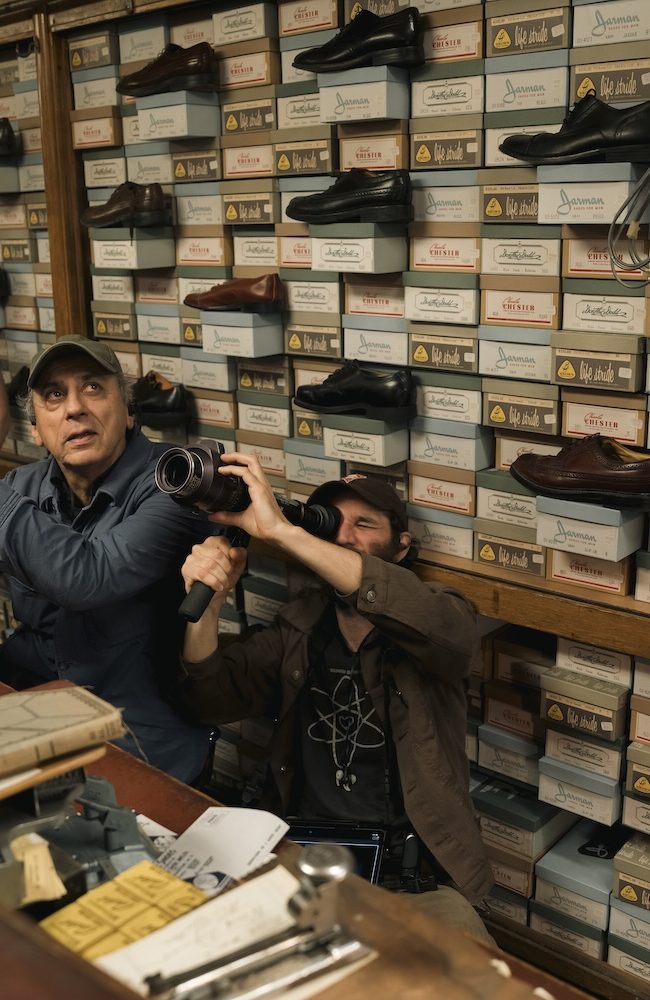
HTN: You shot entirely on 35mm in what was a harsh, mountainous Greek location. What was essential about capturing this story on film rather than digital, and how did that mountainous landscape shape the production?
LN: It’s all part of the same aesthetic effort, to have something that felt lived in, intimate and tactile. I think it was part of the effort in doing this naturalistic picture of that time. My sort of top-level thing I would tell myself at every stage of making it, including writing, was “this is scary naturalism, very zoomed in.”
I thought about that for the format. I needed something that felt tactile and realistic where you feel the light. We were going to be shooting a lot of daytime exteriors in the summer, and a way for that to be more forgiving was to shoot on film. We did two-perf to get more of the character of the film.
The setting, this rugged landscape—Greece ended up being perfect. We shot on the island of Crete and then also in the countryside outside Athens. There was enough variation in those landscapes to feel like we were traversing a lot more land, but I also wanted this very specific small area for the village where the story takes place.
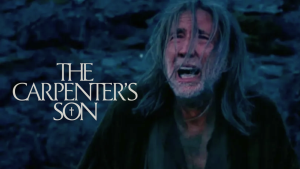
HTN: I want to talk about my favorite sequence, which is this explosive moment between the family at around the hour mark where you have Nic and Twigs screaming at each other about how his faith is shattered and the origins of the boy. Can you discuss your thinking going into that sequence? We also get an absolutely all-time Nicolas Cage scream.
LN: Yeah, we do! That to me is a tipping point for this lid that’s been kept on, that they’ve kept on themselves as a family, as a small trio moving through the world. It’s the lid blowing off on the obscurity, on all the restraint that they felt they’ve had to keep their whole lives, on the overwhelming nature of having to care for Jesus.
What becomes of Joseph in this story is a character who possesses doubt. I think that really comes to a head in that scene where it’s all laid out. The admission that he makes there eats him up and really tortures him, the idea afterwards that he needs to redeem that. I felt like there always needed to be this tension percolating among them, and that’s where it just blows up.
– Jack Schenker (@YUNGOCUPOTIS)