





WHEN A WITNESS RECANTS
(The 2026 Maryland Film Festival ran April 8–12 at the SNF Parkway Theatre and venues across Baltimore. Check out Chris Reed’s When a Witness Recants movie review, fresh from the fest. Seen it? Join the conversation with HtN on our Letterboxd Page.)
On November 11, 1983, in Baltimore’s Harlem Park Junior High School, someone shot ninth grader DeWitt Duckett and stole his Georgetown University jacket. He shortly thereafter died from his injuries. Although the witnesses present at the scene of the crime identified only one perpetrator, the detective in charge of the case soon decided to pursue three teens with no connection to the case, and the justice system being what it is, these unfortunate souls spent the next 36 years in prison.
In When a Witness Recants, director Dawn Porter (The Lady Bird Diaries) follows this nightmare story from terrible start to more-optimistic (but still traumatic) finish, indicting the racist behaviors and cowardly actions that destroyed lives for no good reason. As with all her work, it is compelling and a must-watch. It’s also infuriating to behold.
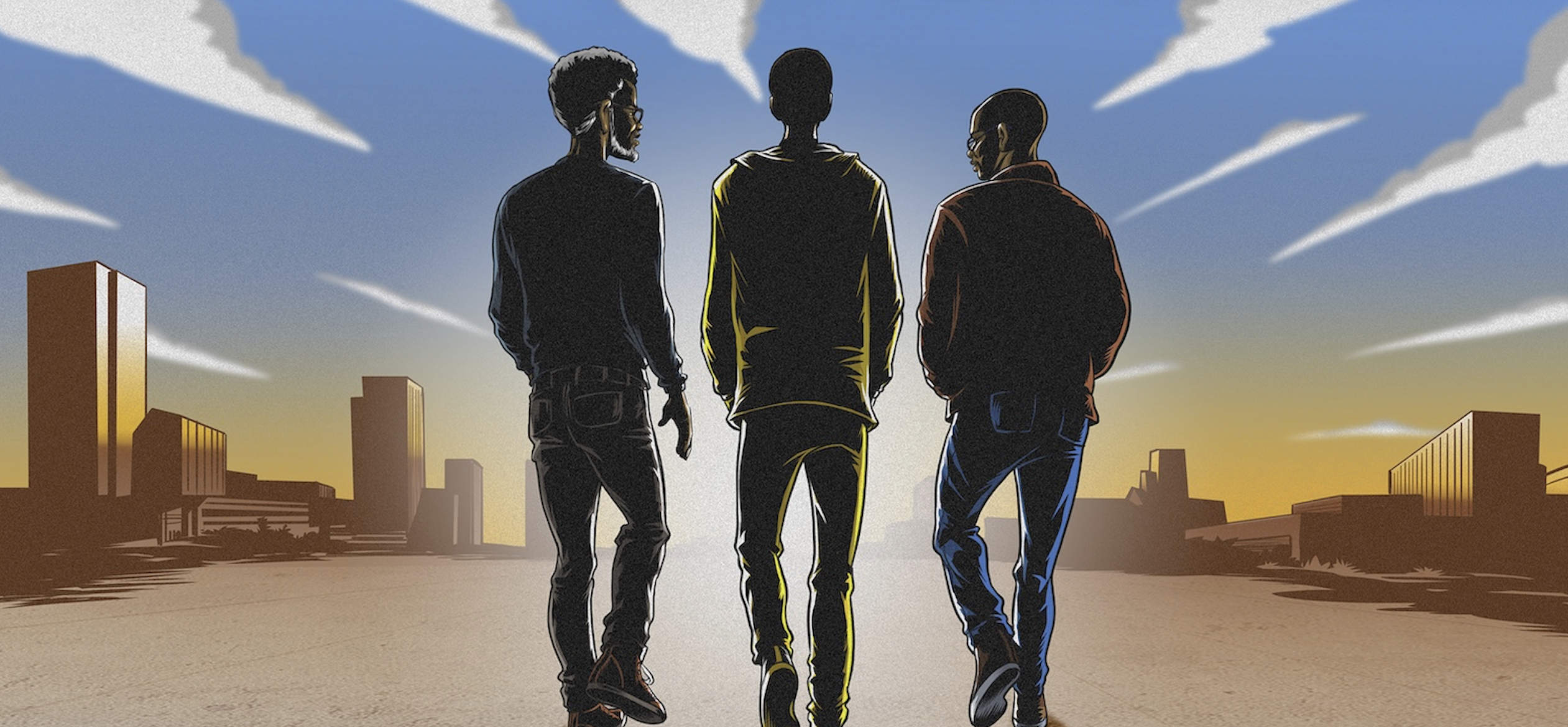
The film opens with author (and Baltimore native) Ta-Nehisi Coates setting the scene for us, explaining what the city was like in his childhood (he was born in 1975) and how, despite endemic crime and poverty in certain (mostly redlined) areas, it was a place of joy and love. We then get the details of the murder, meeting the members of the “Harlem Park Three” (as they would come to be known) as we go. They are Alfred Chestnut, Andrew Stewart, and Ransom Watkins, all 16 when they were sent to jail on life sentences.
An aside from yours truly: no child should ever be sentenced as an adult. Ever. It is a barbaric practice, no matter the circumstances, and if you believe that it is OK to do so you are not a good person.
Back to our story. Through animations, period archival, and interviews with the three now fiftysomething men, Porter presents the facts one by one. For some reason, a homicide detective named Donald Kincaid was not happy with the overwhelming evidence pointing to one particular suspect and chose to go after Chestnut, Stewart, Watkins. Along the way, he bullied teenaged witnesses to change their version of events to match his. He declined to be interviewed for the documentary; we only see him in footage from a 2022 deposition.
The District Attorney at the time, Jonathan Shoup, and the judge in the case, Robert Bell, both went along with Kincaid’s case, despite its inconsistencies. One of the bullied witnesses, Ron Bishop, who was only 14 during the trial, is another main character here, though more antagonist than protagonist. Perhaps if he had come forward to change his story sooner and with greater introspection, he might earn more sympathy. Still, it is important to remember that he is not the villain here, but merely part of a larger problem.
Eventually, Chestnut learns enough about the law to write a letter to newly elected (in 2015) State’s Attorney Marilyn Mosby, who has pledged to investigate wrongful convictions. One thing leads to another, and finally—with a heartfelt apology from a current judge—the men are set free. Nothing can bring back the 36 lost years, however. Not even the hefty settlement they win against the city (paid for by taxpayers, though it should be Kincaid and Bell, both still alive, who forfeit their own ill-gotten salaries).
When a Witness Recants asks hard questions of the audience, while also allowing its three principal subjects to speak their truth. This is most evident in a scene near the end where Chestnut, Stewart, and Watkins sit down with Bishop—the titular apostate—and refuse easy answers. Porter tackles issues of race and class in a narrative both depressingly familiar and uniquely its own tragedy. This is America, all too often. We can and should do better.
– Christopher Llewellyn Reed (@ChrisReedFilm)