


(The 2026 SXSW Film Festival ran March 12-18 in beautiful Austin, TX. Check out Chris Reed’s Black Zombie movie review, fresh from the fest. Seen it? Join the conversation with HtN on our Letterboxd Page.)
Born in 1924, the great Rod Serling, creator of The Twilight Zone—one of the best television series of all time—lived through tumultuous times and emerged with a deep commitment to social justice and speaking his mind. Though he died of a heart attack at the far-too-young age of 50, in 1975, he left behind an artistic legacy to make anyone proud. In Serling, director Jonah Tulis’ thoroughly engaging new documentary about the man, we get all the cinematic and real-life goods a fan could desire, with a plethora of detail to satisfy newcomers to the topic, as well.
I, for one, have always been fascinated with Serling’s way of talking in front of the camera, his upper lip tightly pulled back across his teeth in something between an overbite and sharp intake of breath. According to his wife, Carol (née Kramer), it was initial nervousness at being thrust into the spotlight as narrator that led to this now-signature style, developed as a form of physical compensation for inner turmoil. There was also the omnipresent cigarette. Perhaps with a fewer of those he might have lasted longer on this Earth.
Then again, the man was a consummate workaholic. During the five-season run (1959-1964) of his most famous show, he turned in 12- to 14-hour days, 7 days a week. It’s a wonder he made it to 40. Still, without this commitment and perfectionism, our culture would be that much poorer.
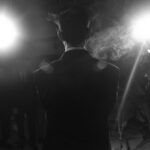
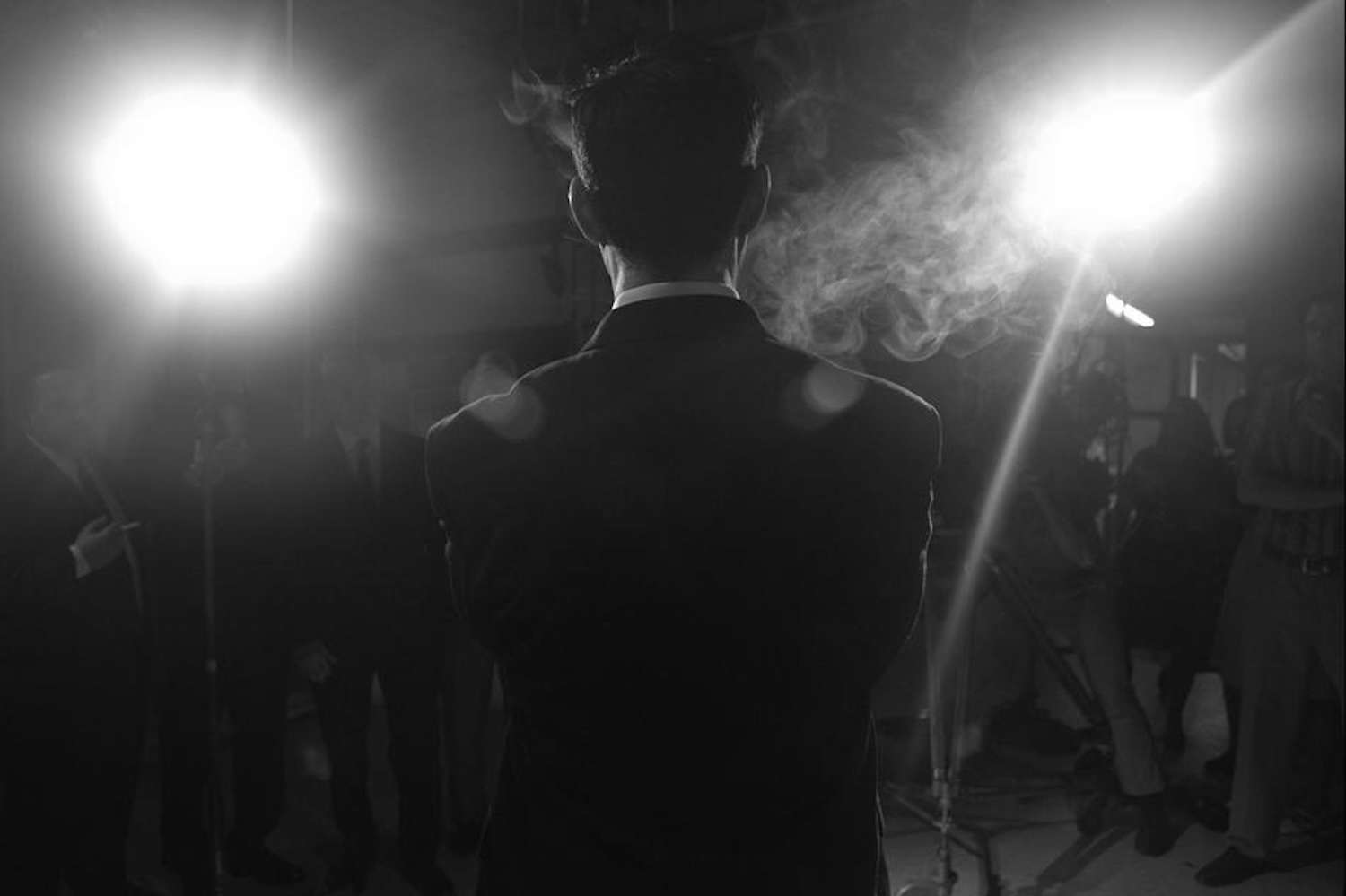
Speaking of riches, the amount of archival material in here—including audio diaries and memos recorded by Serling himself—astound. Tulis brings in an actor (always seen from behind) as stand-in for some artful reenactments of certain moments, too. Beyond that, the film overflows with footage and photographs of Serling at all stages of life, with a treasure trove of home movies going back to the 1930s (when personal cameras were slowly gaining in popularity but were not yet as ubiquitous as they would become in the 1950s and ‘60s). In this way, we see the young Serling, then his teenage self, twentysomething version, and older, with his own children (daughters Anne and Jodi) eventually showing up onscreen, as well (joined by mother Carol). Serling was not the best at work-life balance but still seemed to pass on enough love to his family to get love back.
We also have many clips from Serling’s television and film work, which preceded and followed The Twilight Zone, and then enough from that seminal series to keep us satisfied. Tulis explains the roots of Serling’s push to become a producer in the way his liberal politics were so often stymied by network overlords afraid to offend certain viewers. In the case of the special he wrote about the murder of Emmett Till, broadcasters were worried that some Southerners might not like it. Corporate courage has always been a rare commodity. “I am intolerant of intolerance,” was Serling’s answer to that.
The fact that Serling managed to keep The Twilight Zone going at CBS for five years is something of a miracle, given how often he used the genre elements to shine a spotlight on the injustices of the actual universe. He would later have less luck with another show, The Loner, starring Lloyd Bridges. In fact, never again would Serling rule the roost as he had before, and grew bitter because of it. But we can still celebrate, 60 years on, what he did achieve, and be glad that he fought the good fight for as long as he did.
– Christopher Llewellyn Reed (@ChrisReedFilm)