






DAYS AND NIGHTS IN THE FOREST
(Check out Matt Delman’s movie review of Days and Nights in the Forest, which Janus Films is re-releasing starting at Film Forum in NYC tomorrow, February 27, and in LA at the Laemmle Royal on Friday, March 6. Seen it? Join the conversation with HtN on our Letterboxd Page.)
Satyajit Ray (1921-1992, R.I.P.) was a world-renowned film director known for bringing neo-realism to Indian cinema. Ray was working at an advertising agency at the time when he watched Vittorio De Sica’s Bicycle Thieves and decided to become a filmmaker around the age of 30. (Sidenote: Jafar Panahi similarly credited Bicycle Thieves for getting him into filmmaking in a recent Criterion closet visit). With the encouragement of Jean Renoir, Ray set out to make his first film, which became Pather Panchali, the first of The Apu Trilogy masterworks. Now Janus Films has restored (with the help of The Film Foundation’s World Cinema Project at L’Immagine Ritrovata in collaboration with Film Heritage Foundation) a hidden gem from Ray’s filmography entitled Days and Nights in the Forest (1970) which was admittedly a blindspot for me, despite my deep adoration of The Apu Trilogy. The story feels surprisingly modern, like an HBO series about a group of friends before HBO even existed. Ray’s signature style shines through, softly probing at the class inequities fundamental in Indian culture.
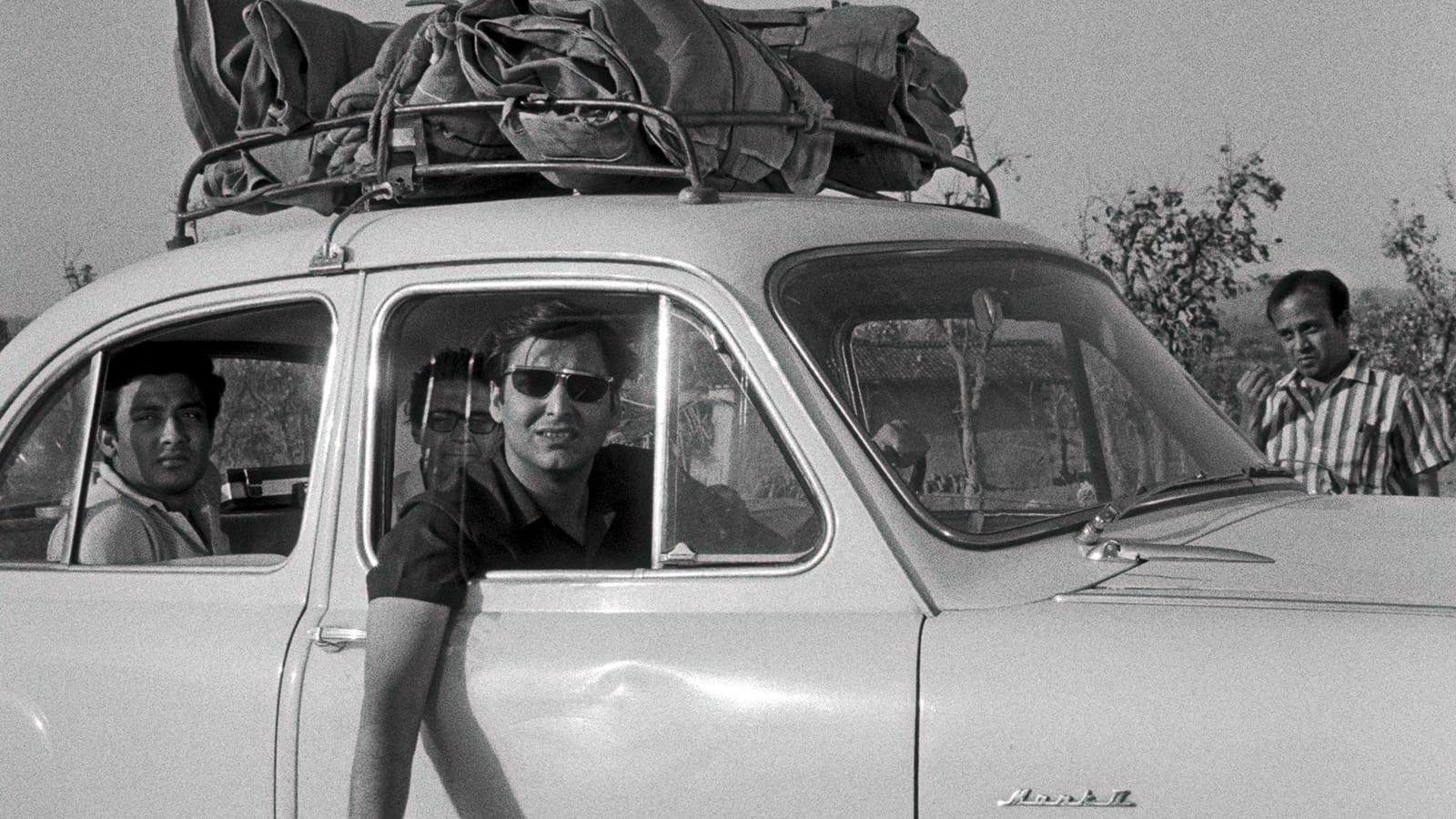
An entourage of four city bros yearn to escape the hustle and bustle, but arrive at the forest campsite without a reservation. This causes conflict as the groundskeeper explains they cannot stay without a permit and the entitled men try to bribe him off, even after he explains he could lose his job. There’s a clear George Costanza of the group, obsessed with discussing hygiene, and the other three men all have their own quirks, strengths and weaknesses. The story deepens when they meet women staying nearby, blossoming into multiple love stories–some more successful than others. The days are picturesque with walks and picnics, while the nights are sweaty and drunken.
Scenes of traditional music and dance are hypnotic, adding a layer of cultural texture. One of the women, Aparna (Sharmila Tagore) is asked for money by one of the men to gamble with, before his friend quickly steps in to shut him down. Cut to the gambling table and Aparna has won a stack of money, and she’s smart enough to quit while she’s ahead! It’s these small flourishes that make the film sing, and editor Dulal Dutta fits the pieces together perfectly. Not to mention Ray’s usual cinematographer Soumendu Roy (who also shot The Apu Trilogy) pulls off some high-flying shots on a janky ferris wheel, providing a dizzying effect for the viewer.
Days and Nights in the Forest is based on a novel by Sunil Gangopadhyay, who shares a writing credit on the film. In adapting it, Ray makes it his own, though his signature style is hard to put into words. The humanist filmmaker is revered by the likes of Wes Anderson, who personally had a hand in the film’s restoration, as well as Mira Nair and famed critic Pauline Kael. For fans of The Apu Trilogy, this is a must-watch, but any cinephile could enjoy it immediately. A nice reprieve from the busy work week, Ray’s film allows us to tag along with this quartet of affable manchildren and venture into the forests of India in 1970, black and white cinema.
– Matthew Delman (@ItsTheRealDel)