





(Check out Chris Reed’s The Tallest Dwarf movie review, the film premieres on PBS Monday, April 6. Seen it? Join the conversation with HtN on our Letterboxd Page.)
Those who stand outside what society considers normative usually face discrimination of some sort, put in a category as “other” to which the rest of the world can gawk and feel superior. We are a tribal species and like to define ourselves by our unifying characteristics and distinguish ourselves from the folks who look or sound different. Little people—the term for individuals with dwarfism—are anything but immune from this less-than-glorious human behavior, and in The Tallest Dwarf, a new documentary from Julie Forrest Wyman, who is also the principal subject of the movie, we learn about their modern history and how perceptions of them have changed over the years.
Wyman has always felt apart from her peers. As a child, she was mocked for her appearance, even if her parents today don’t remember that past in quite the same light. She has short arms, large low-hanging hips, and bow legs. Though she is five feet tall, many of her physical attributes are not dissimilar from much shorter little people; her father rises a few inches higher but has the identical body type. They may not have achondroplasia, which is the most common form of dwarfism, but the DNA of their family probably contains some kind of similar mutation.
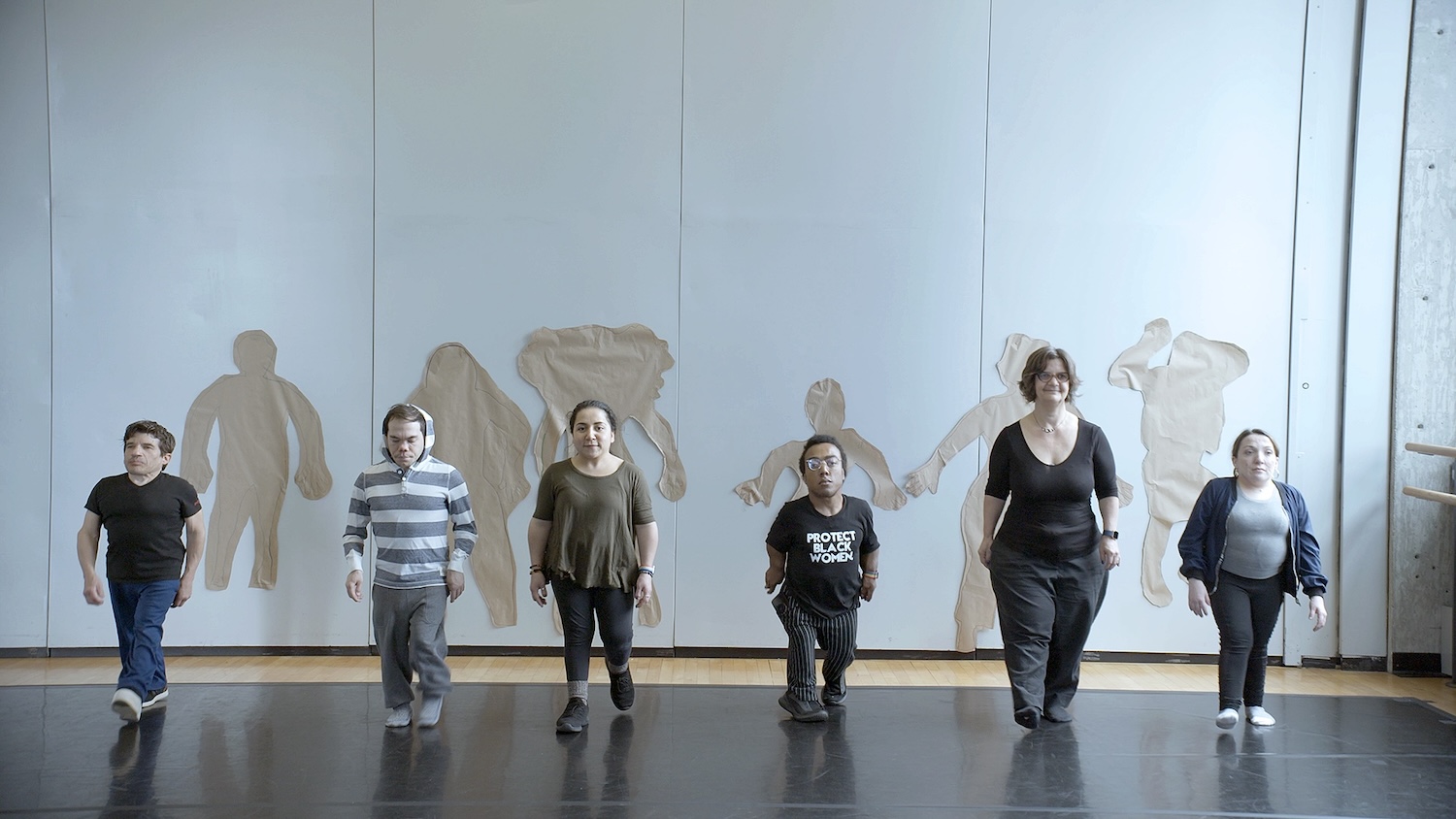
That is where we start, with Wyman telling us about herself and then connecting with the members of Little People of America (LPA), an organization founded in 1957. Though she is caught between worlds—too short in one, too tall in another—she finds acceptance in the LPA community. From there, she plans a series of therapeutic filming sessions and art-based seminars, together with Sofiya Cheyenne of the Dwarf Artist Coalition, and the resultant activities prompt many insightful and fascinating conversations.
Mixing moving archival and present-day footage, Wyman crafts a beautiful narrative that celebrates diversity, while also following evolving discussions with her father about how he perceives her shape and his own. They submit genetic samples to try and finally figure out what has caused their physiques, and Wyman chronicles the stories of her many fellow protagonists. The result is a poignant examination of the state of little people in the 21st century.
Medical science has developed many recent techniques, among them limb-lengthening and gene therapies. One thing I did not realize is that pituitary dwarfism (called Growth Hormone Deficiency)—which, unlike achondroplasia, leads to very short people who are otherwise entirely proportionate—is now highly treatable, so we rarely see it anymore. Will the same thing happen with achondroplasia and related conditions? And if so, is that a good thing or a form of eugenics? The ensuing exchange of views both disturbs and engages. The Tallest Dwarf makes you think deeply, as all good movies should.
– Christopher Llewellyn Reed (@ChrisReedFilm)